


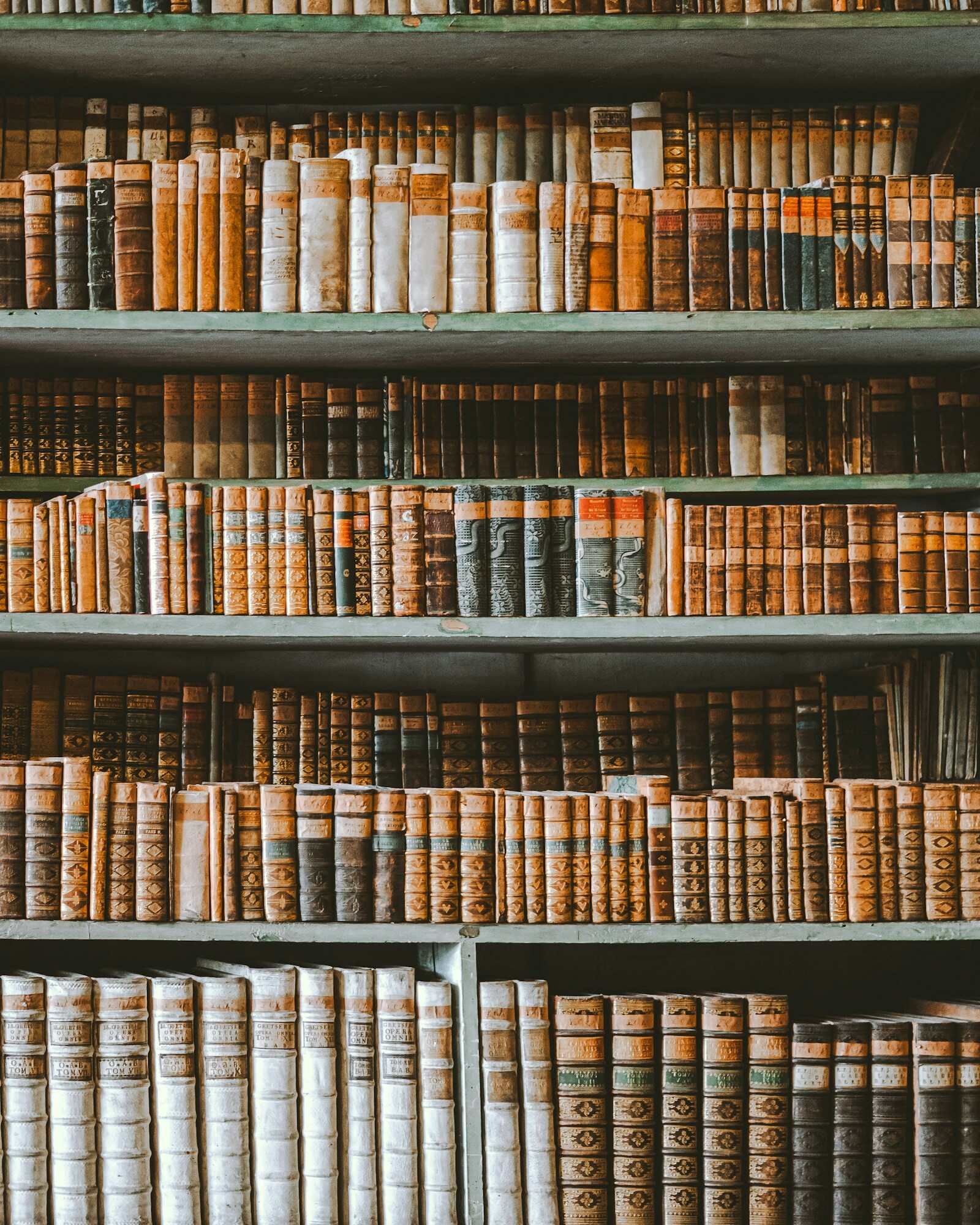
Picture a library and many people still imagine a quiet, slightly stern room where books sit behind desks and visitors whisper. That image is a few generations old at best. Over thousands of years, libraries have been royal treasure rooms, scholars’ workshops, private clubs, free public schools and, today, something closer to a community living room. Following that story shows how a society’s idea of knowledge changes, and who is allowed to hold it.
The earliest libraries: storehouses of power
The first libraries were not designed for the public. Ancient rulers in Mesopotamia collected clay tablets covering law, administration, medicine and literature, and kept them in palaces and temples. Access was limited to scribes, priests and officials. Knowledge was a tool of governance, and storing it carefully was part of ruling.
The Library of Alexandria, founded in Egypt in the third century BCE, grew this ambition on a grand scale, aiming to gather writings from across the known world. It became famous as a center of scholarship, attracting researchers who studied everything from astronomy to literature. Although much about its history, including the details of its decline, is debated by historians, it set a lasting ideal: a place where knowledge from many cultures could be collected in one location.
Libraries as centers of learning across cultures
In the following centuries, libraries became closely tied to places of learning. Monasteries in medieval Europe preserved and copied manuscripts by hand. In Baghdad, the House of Wisdom became a hub where scholars from different backgrounds translated, discussed and extended ideas in mathematics, medicine, philosophy and astronomy. In Morocco, the library in Fez, founded in the ninth century, is often described as one of the oldest continuously operating libraries in the world, and it is still valued as a treasury of manuscripts.
These libraries had something in common. They were centers of serious study, and their collections were precious because each book was copied by hand. Access was typically restricted to students, scholars and the wealthy, and some books were literally chained to desks.
The printing press opens the door
The spread of printing in the fifteenth century changed the economics of knowledge. Books became cheaper, more people learned to read and private and institutional collections grew rapidly. Libraries began to move from being warehouses of rare objects to being working collections meant to be used.
Even so, access was still tied to status and money. For centuries, if you were not a scholar, a clergy member or a member of a wealthy family, a library was difficult to enter.
The idea of the public library
The big shift came when people started to believe that reading should not be a privilege. In the eighteenth century, subscription libraries appeared in Europe and North America, where members paid a fee to share a collection of books. One of the best known was founded in Philadelphia in 1731 by a group that included Benjamin Franklin.
In the nineteenth century, the idea spread into free, tax-supported public libraries. Britain passed an early public libraries act in 1850, and many other countries followed in the decades after. Around the turn of the twentieth century, the industrialist Andrew Carnegie funded the construction of thousands of library buildings in several countries, on the condition that local communities provide the books and upkeep.
The idea behind these libraries was simple and radical: anyone, regardless of income or background, should be able to read and learn for free. Libraries became tools of education, and in many places, of social mobility.
The twentieth century: from books to services
As literacy rates rose, libraries expanded their role. They added children’s sections, story hours, reference desks, newspapers and periodicals, and, later, audio recordings and films. Library cards became keys to a wide range of resources, and librarians trained as information specialists who could help people find what they needed.
At the same time, many libraries became quiet refuges. For students without a calm place to study at home, job seekers looking through classified ads or retirees wanting company, the reading room offered shelter and structure.
The digital era: a crisis and a reinvention
When the internet arrived, many predicted that libraries would fade away. Why visit a building when information was online? In practice, many libraries found a new purpose by responding to what people actually needed.
- Digital access. Free computers, wireless internet and printing help people who lack reliable access at home. For many, a library is their main connection to online services.
- Digital literacy. Classes and one-on-one help teach people how to use email, find reliable sources and apply for jobs or services online.
- E-books and audiobooks. Many libraries lend digital titles that can be borrowed from a phone or tablet.
- Databases and archives. Libraries pay for access to expensive research tools that individuals could not afford.
The modern library as a community hub
Today, in many places, the library’s identity is as much about people as about books. Libraries host a wide range of activities that would have surprised their founders.
- Children’s reading sessions and homework help
- Language classes and conversation groups for newcomers
- Workshops on skills such as coding, writing, crafts or personal finance
- Meeting rooms for local groups and community events
- Makerspaces with tools such as 3D printers and sewing machines
- Lending of non-book items, including tools, seeds, musical instruments or equipment, in some places
- Quiet study areas, which remain as popular as ever
What makes this change possible is that libraries are among the few public places where people can spend time without being expected to buy anything. In a world with fewer free shared spaces, that quality has become more valuable.
Libraries around the world
The balance between traditional and modern roles varies enormously. In some countries, public library networks are extensive and well funded. In others, libraries may be scarce, and community or mobile libraries, such as book buses, camel libraries or small neighborhood collections, play an important role in reaching remote areas. Universities, schools and specialized institutions add to the picture, and many national libraries preserve and digitize heritage collections so they can be studied by a global audience.
Challenges libraries face
- Funding. Many libraries struggle with tight budgets and must justify their value to decision-makers.
- Changing habits. Fewer people borrow books than in the past, so libraries must prove their relevance in other ways.
- Digital divide. Libraries bridge gaps in access, but demand for help often exceeds capacity.
- Preservation. Fragile manuscripts and digital records both require careful long-term care.
- Misinformation. Librarians increasingly help people evaluate sources and distinguish reliable information from rumor.
How to get more from your local library
- Get a library card, which is often free for residents.
- Browse the website or ask the staff about services beyond books, such as digital loans and workshops.
- Ask a librarian for help finding information. They are trained to search efficiently and are glad to help.
- Use the space for studying, reading or attending events, and bring children along to build early reading habits.
- Support your library by borrowing, volunteering or speaking up for its funding.
Frequently asked questions
What was the first public library?
There is no single answer. Libraries open to the public existed in some ancient and medieval societies, but the modern idea of a free, tax-supported public library developed mainly in the nineteenth century.
Are libraries still necessary in the internet age?
Yes, for many people. They provide free access to technology, trusted information, quiet space and community programs, and they help those who cannot afford or navigate paid services.
Why were books once chained to desks?
Because each book was handmade and extremely valuable. Chaining protected collections from theft while still allowing readers to consult them on the premises.
Do libraries only lend books?
No. Many also lend digital content, tools, devices and other items, and offer classes, events and meeting spaces.
How can I find out what my library offers?
Check its website or visit in person. Staff can explain membership, borrowing rules and upcoming activities.
The library’s long story
From clay tablets locked in palaces to open doors in everyday neighborhoods, libraries have followed a long journey toward a simple idea: knowledge belongs to everyone. The buildings, books and technology keep changing, but the purpose remains the same. A library is a promise that curiosity is welcome, and that the means to satisfy it should be shared.