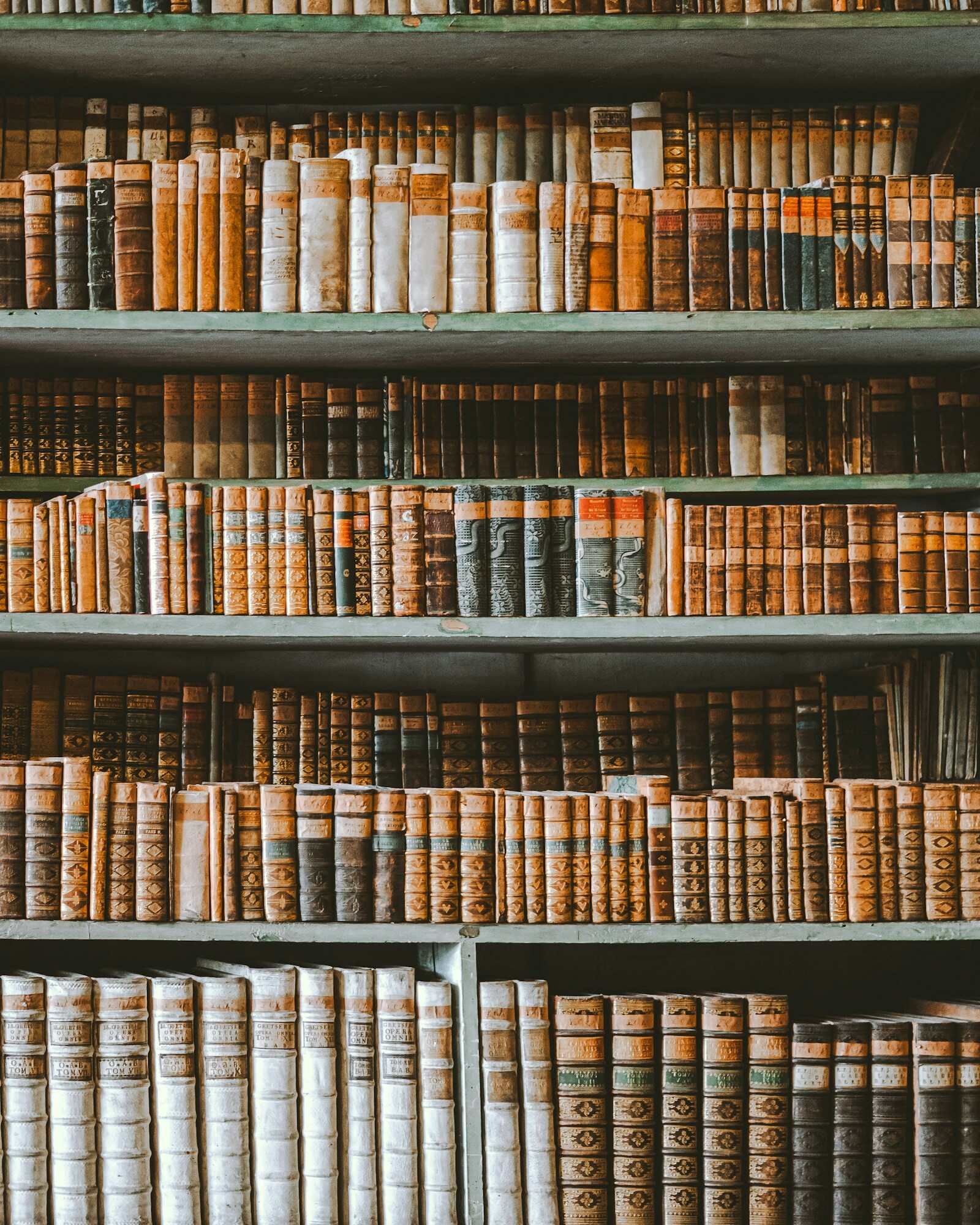


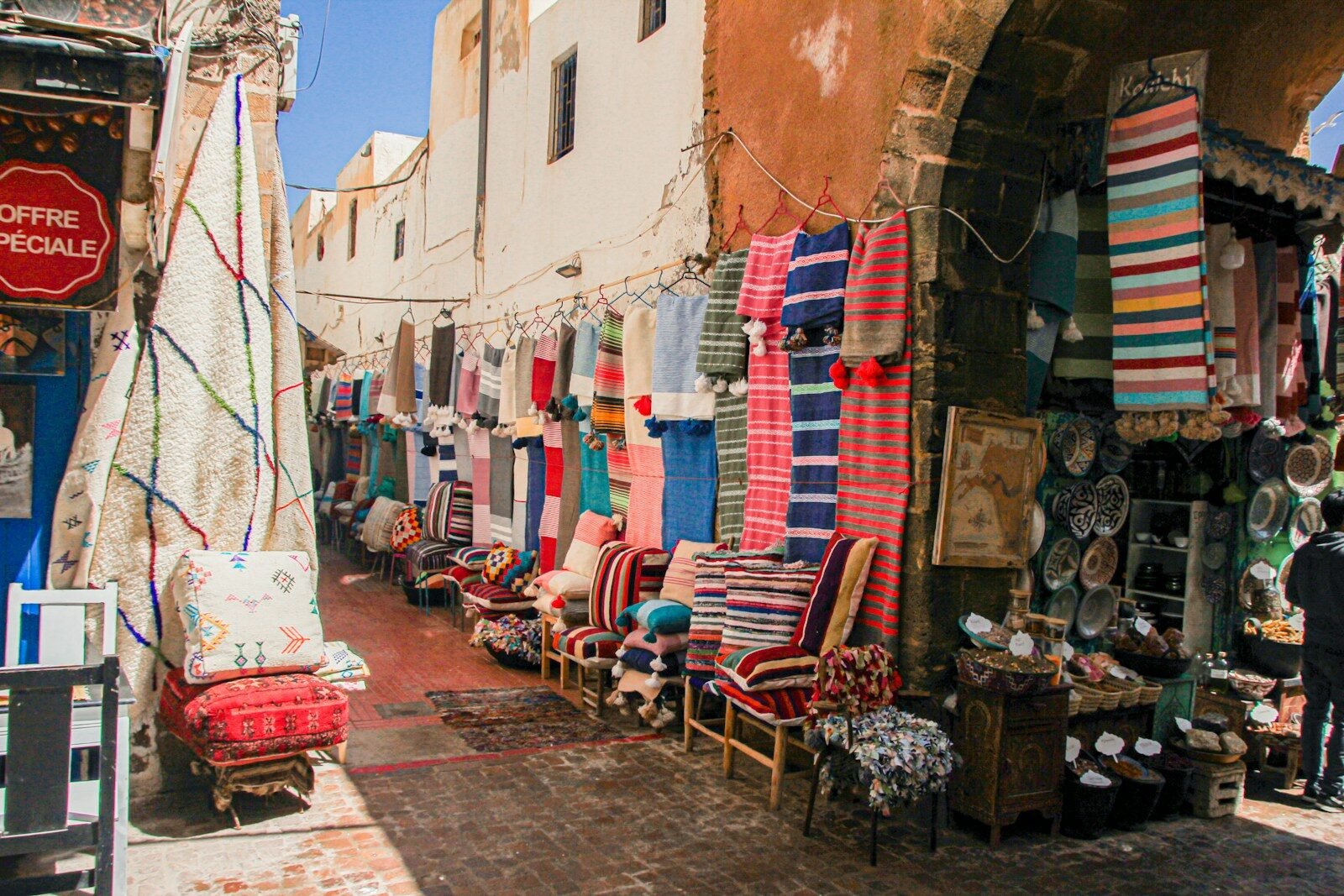
A supermarket is a place to buy things. A traditional market is a place where a community meets itself. In a souk, a bazaar or an agora, goods change hands, but so do news, opinions, favors, jokes and introductions. For thousands of years, markets have been the beating heart of towns and cities, and in many places they still are. Looking at how they work reveals why they matter so much, and why they are worth protecting.
Three words, one idea
The names differ, but the concept travels across cultures.
- Agora is the ancient Greek word for a gathering place. It was both the main marketplace and the civic center of a city, where people traded, debated, listened to speeches and conducted public business.
- Souk (also spelled souq) is the Arabic word for market. It is used across North Africa and the Middle East for everything from a small weekly market to a vast maze of covered lanes.
- Bazaar comes from Persian and spread widely through Central Asia, Turkey, South Asia and the Balkans. It usually describes a large market with many specialized sections.
All three describe a place where commerce and community overlap. Even in languages with different words, such as the Roman forum or the Latin American plaza, the same pattern appears: a central space where people come not only to shop, but to be among others.
Why markets formed where they did
Markets rarely appeared by accident. They grew where roads, rivers or trade routes crossed, because that is where travelers, farmers and craftspeople were most likely to meet. A crossroads gave merchants a steady flow of customers and gave farmers a place to sell surplus produce.
Over time, a successful market shaped the whole town around it. Inns, workshops, storage rooms, places to eat and public buildings gathered nearby, and the market’s rhythm set the rhythm of daily life. In many Moroccan towns, weekly markets are even reflected in place names, with names that include the day of the week on which a market is held.
Order inside the apparent chaos
To a first-time visitor, a large souk can look like a puzzle with no solution. In fact, many are carefully organized. In the old medina of Fez, for example, trades traditionally cluster in particular lanes and quarters: metalworkers in one area, leatherworkers in another, dyers, carpenters and spice sellers in their own streets. This arrangement made it easier for buyers to compare quality and prices, and it let craftspeople share skills, tools and supplies.
The grouping also supported training. Apprentices learned by watching masters work a few doors away, and standards of quality were maintained by the community of makers. In a sense, the market was a school, a regulator and a showroom all at once.
The covered bazaar
In hot climates and busy cities, many markets were built with roofs or arches that provided shade and shelter. The Grand Bazaar in Istanbul, which began taking shape in the fifteenth century, is among the most famous, with thousands of shops arranged along covered streets. Covered markets protected goods and customers from sun and rain, and could be locked at night, making them safer for valuable items.
The design also shaped the experience. Narrow lanes force people to slow down and notice each other, and the wandering path invites discovery. Many people find that part of the charm.
What markets do for a community
They spread information
Before newspapers and the internet, the market was where news traveled. Travelers brought stories from other regions, residents shared local developments and traders learned about prices and conditions elsewhere. Even today, a stall owner often knows what is happening in the neighborhood.
They build trust
Buying from the same seller week after week creates a relationship. A trusted vendor will set aside the best produce, offer credit to a regular customer in hard times or advise on how to cook something unfamiliar. These small bonds make a community stronger than any single transaction can.
They keep skills alive
Markets give craftspeople a place to sell handmade work, which helps preserve traditional trades such as weaving, pottery, metalwork and leatherwork. Without a market for their products, many of these skills would disappear.
They support local economies
Money spent at local stalls tends to circulate within the community, supporting small producers, families and nearby suppliers. Markets also allow people with little capital to start a business with a small table or a cart.
They offer a shared public space
Markets bring together people of different ages, incomes and backgrounds in a way few other places do. A morning at a market can include elders chatting, children running errands, tourists exploring and neighbors greeting each other.
The art of bargaining
In many markets, prices are not fixed, and negotiating is part of the experience. Haggling is less about getting the lowest possible number and more about a respectful conversation. Both sides know the first price is an opening, and both enjoy the exchange.
A few simple rules make it pleasant for everyone.
- Greet first. A friendly hello and a few words of conversation set a good tone.
- Know roughly what you want to pay. Check prices at a few stalls before buying.
- Be polite and patient. Smile, stay calm and avoid aggressive tactics.
- Do not bargain unless you intend to buy. Agreeing to a price and then walking away is disrespectful.
- Accept a fair deal. The goal is a price that works for both of you, not a victory.
Customs vary. In some places, bargaining is expected, while in others, particularly for food in fixed-price markets, it is not. If you are unsure, watch what local shoppers do.
Markets today: pressure and renewal
Traditional markets face real challenges. Supermarkets and online shopping offer convenience and sometimes lower prices. Rising rents, changing habits and mass-produced goods put pressure on small traders. In some tourist areas, markets risk becoming staged attractions, with fewer genuine local goods and more imported souvenirs.
At the same time, many places are rediscovering the value of markets. Farmers’ markets and artisan markets have grown in many cities, drawing people who want fresh food, local products and a human connection. Some municipalities have restored historic market halls and brought them back to life with new vendors and community events.
Visiting a market respectfully
- Ask before photographing people or their stalls, and respect a refusal.
- Carry small bills and coins, since vendors may not have change for large notes.
- Dress modestly and comfortably, and wear shoes suited to uneven ground.
- Buy directly from makers when you can, and ask about how items are produced.
- Take your time. Markets reward curiosity, and a short conversation can teach more than a guidebook.
- Keep an eye on your belongings in crowded areas.
Frequently asked questions
What is the difference between a souk and a bazaar?
They are essentially the same idea from different linguistic traditions. Souk comes from Arabic, bazaar from Persian, and both refer to traditional markets, often with many shops in a connected area.
Why are traditional markets arranged by trade?
Grouping similar trades helped buyers compare goods, helped craftspeople share knowledge and supplies and made it easier to maintain quality standards.
Is bargaining always expected?
No. It is common in many souks and bazaars, especially for non-food goods, but fixed prices are normal in other settings. Observe local practice or ask politely.
Are traditional markets disappearing?
Some are declining under economic pressure, but others are thriving or being revived. Their future depends on support from local residents and policy-makers.
How can I support local markets?
Shop there regularly, buy local and handmade goods, and encourage friends and family to visit.
More than a place to shop
A market is a living institution. It feeds people, employs them, preserves skills and gives a community a place to meet. Whether you call it an agora, a souk or a bazaar, it is where a society’s daily life becomes visible. Next time you visit one, linger a little, ask a question and buy something made nearby. You will be taking part in one of humanity’s oldest traditions.