

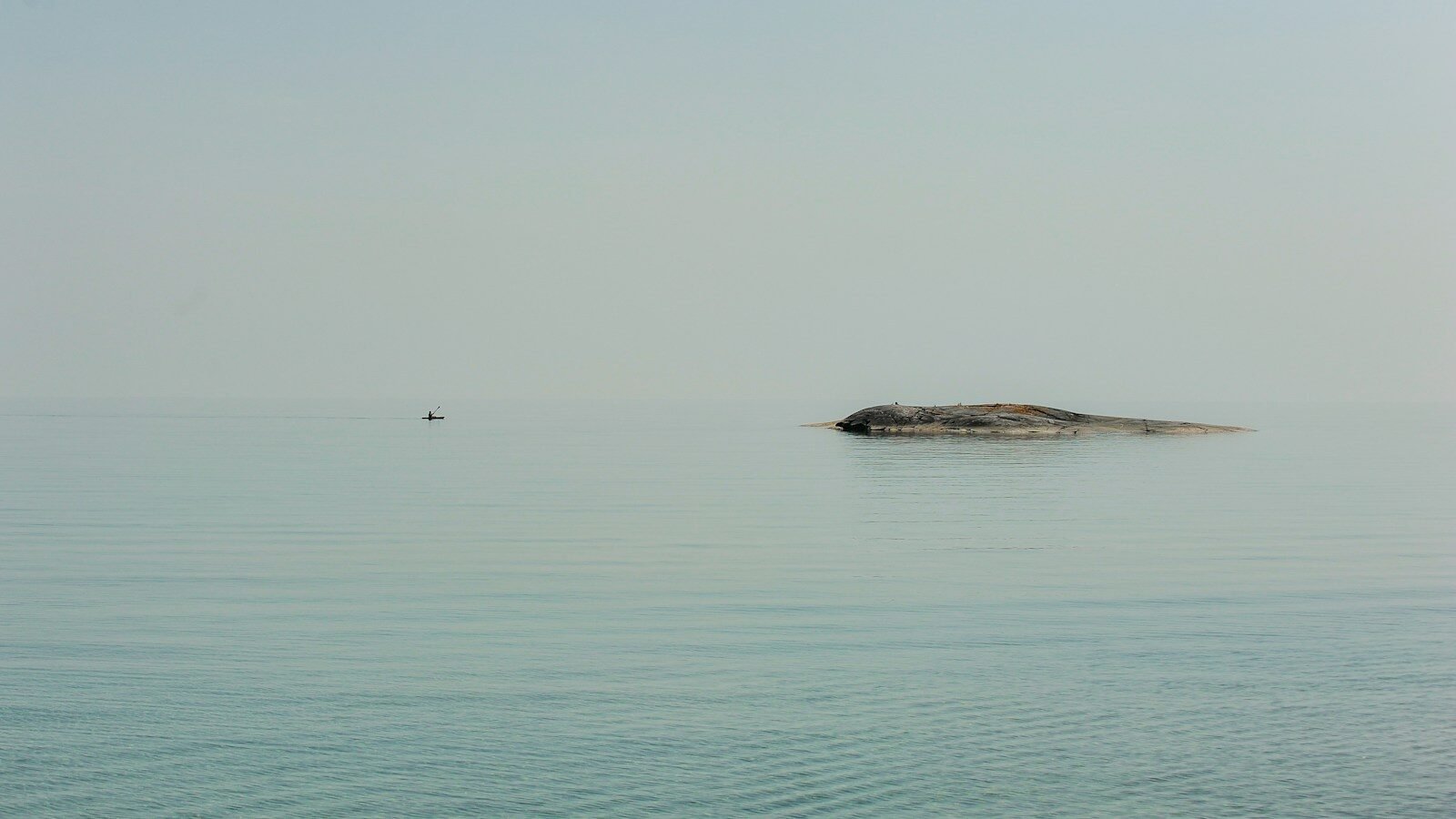
There is a particular kind of quiet that only exists on the water: the soft dip of a paddle, the gentle slap of tiny waves against the hull, a heron lifting off from the reeds as you drift past. Kayaking offers that quiet within an hour of learning the basics. It needs no great strength, opens up lakes, rivers and coastlines that walkers cannot reach and can be as gentle or as adventurous as you choose. Water also demands respect, so the first lessons are about safety as much as technique.
Choose the right kayak
There are many designs, but beginners usually choose between a few simple types.
- Sit-on-top kayaks have an open deck where you sit on the boat. They are stable, easy to climb back onto after a swim and popular for warm water and beginners.
- Sit-inside kayaks have a cockpit that holds your legs. They keep you drier and warmer, allow a spray skirt and handle rougher water better, but need more skill to recover from a capsize.
- Recreational kayaks are shorter and wider, stable and easy to turn, ideal for calm lakes and slow rivers.
- Touring (sea) kayaks are longer and narrower, tracking straight and covering distance efficiently, suited to coasts and longer trips with proper training.
- Inflatable kayaks are portable and forgiving, a good option if storage and transport are limited.
Renting or borrowing for the first few outings is a smart way to find what suits you.
Essential safety gear
- A properly fitted life jacket (personal flotation device). Wear it every time, not just carry it. It only works if it is on.
- A paddle of suitable length, chosen for your height and the width of the boat.
- A whistle attached to your jacket, for signaling.
- A bilge pump or sponge for removing water from a sit-inside kayak.
- A dry bag for keys, phone, snacks and spare clothing.
- Appropriate clothing: quick-drying fabrics, sun protection and a hat. In cool conditions, wear layers that stay warm when wet, and consider a wetsuit or drysuit.
- Water and sunscreen, since the sun reflects off the water.
Cold water is a serious risk. A useful rule is to dress for the temperature of the water, not the air, because if you capsize, the water decides how quickly you become dangerously cold.
Getting in, sitting right and holding the paddle
Entering
Launch from a gentle shore or dock. Place the kayak parallel to the bank, keep your weight low and centered, and sit down carefully, hands on the sides. Avoid standing up in the boat.
Posture
Sit upright with your back supported, knees slightly bent and feet resting on the foot pegs. A relaxed, balanced posture keeps the kayak stable.
The paddle grip
- Hold the paddle with hands a little wider than shoulder width.
- Keep your knuckles in line with the blade edge, so the blade faces the right way. Check which side is the power face, usually the concave side.
- Keep your wrists straight, not bent.
Four strokes to learn first
1. Forward stroke
Reach forward, place the blade fully in the water near your feet and pull the boat past the blade by rotating your torso, not just your arms. Exit the blade at your hip. Alternate sides in a smooth rhythm.
2. Reverse stroke
Place the blade in the water behind you and push it forward toward your feet, again rotating your torso. Use it to slow down and back up.
3. Sweep stroke
To turn, sweep the blade in a wide arc from the bow to the stern on one side. Sweeping on the left turns the boat to the right.
4. Draw stroke
To move sideways, reach out to the side, plant the blade vertically and pull it toward the kayak. It helps you approach a dock or another boat.
A fifth skill, the low brace, uses the paddle blade skimming the water surface to help prevent a capsize. A qualified instructor can teach it quickly.
Learn to capsize safely
Almost every kayaker swims at some point. Practice in warm, shallow, calm water with an instructor or experienced friend.
- Stay calm and hold your breath.
- In a sit-inside kayak, lean forward, tap the hull, then release the spray skirt (if fitted) and push yourself out, a technique called a wet exit.
- Hold onto your kayak and paddle, and stay with the boat, which floats and is easier to see than a swimmer.
- Learn rescue techniques such as emptying the boat, re-entering from the water and assisted rescues, ideally in a course.
Sit-on-top kayaks are easier to climb back onto from the side or the rear.
Read the water and weather
- Wind is the main enemy of beginners. Even a moderate breeze can make a return trip exhausting. Plan to paddle into the wind first, so the wind helps you home.
- Currents and tides can carry you quickly. Check tide tables and current maps in coastal areas, and avoid river mouths and narrow channels until you are experienced.
- Waves and boat traffic create unsettled water. Keep clear of large boats and shipping lanes.
- Weather changes. Check the forecast before you go. Return to shore if clouds build, thunder sounds or the wind increases.
- Rivers have their own hazards, such as strong currents, rapids, weirs and fallen trees. Stick to slow, flat sections until you have training.
Plan your trip
- Choose a sheltered, familiar location and a short route.
- Tell someone where you are going and when you expect to be back.
- Stay close to shore until you are confident.
- Paddle with a friend or a group when possible.
- Bring a charged phone in a waterproof case.
- Know where you can land in an emergency.
Be a good guest on the water
Keep distance from nesting birds and wildlife, take all rubbish home, rinse your boat to avoid spreading invasive species between waters and be courteous to anglers, swimmers and other boaters. Check local rules about access and permits.
Take a lesson
A single introductory lesson with a qualified instructor teaches more than weeks of trial and error, especially for rescues. Local paddling clubs often run beginner days and share boats and knowledge.
Frequently asked questions
Do I need to be a strong swimmer?
You should be comfortable in water, and always wear a life jacket. Swimming skills add confidence but do not replace safety gear.
Is kayaking physically demanding?
Easy outings are gentle, and fitness builds gradually. Good technique uses the whole body, not just the arms.
Can I kayak alone?
Experienced paddlers do, but beginners are safer with a partner or group.
What should I wear?
Quick-drying clothes, sun protection and, in cool conditions, layers or wetsuit protection. Avoid cotton.
Slow down and glide
Kayaking rewards patience. Wear your life jacket, learn a few strokes, respect the weather and choose gentle water. The world looks different from a few centimeters above the surface, and once you see it, you will want to go back.