

Before printing presses, every book was a single object, made once, by hand, from raw materials. A scribe might spend months copying one volume, and the pages, ink, thread and cover all had to be prepared separately. When you hold a handmade book from that era, you are holding an enormous amount of human time. Here is how it came together.
What came before the book
The earliest written records lived on clay tablets, stone and strips of papyrus, a writing material made from a river plant. Papyrus was usually joined into long rolls, or scrolls. Scrolls worked, but they had a weakness: to find a passage in the middle, you had to unroll everything between.
The solution was the codex, a stack of sheets folded and bound along one edge, like a modern book. Flipping to a page became instant, both sides of a sheet could carry writing, and a bound volume was easier to store and carry. The codex gradually replaced the scroll across much of the world, and its basic design has hardly changed in about two thousand years.
Parchment: pages from animal skins
For many centuries, the most important page material in Europe and the Mediterranean was parchment, made from animal skin. The skins of sheep, goats and calves were soaked, scraped to remove hair, stretched on frames and dried until they became thin, smooth sheets. The finest, thinnest versions are often called vellum.
The process was slow and the material expensive. A single large book could require the skins of many animals, which helps explain why books were treasures owned by institutions and wealthy individuals. Parchment lasts a very long time, though, and many centuries-old manuscripts survive in good condition because of it.
Paper: the technology that changed everything
Paper was invented in China and spread westward over centuries. By the medieval period, paper-making had reached the Middle East, and from there it moved across North Africa and into Spain and the rest of Europe. Cities across the region, including Fez, developed paper industries, and the material became far more affordable than parchment.
Early paper was typically made from plant fibers, often old cloth rags broken down into pulp. The pulp was suspended in water, scooped up on a mesh screen, pressed to squeeze out the water and dried into sheets. The result was a light, flexible surface that took ink well. Cheaper paper made it possible for many more people to own and read books, and it laid the groundwork for the later spread of printing.
The scribe at work
Copying a book required patience and physical stamina. Scribes prepared their pages first, marking lines with a ruler and a pointed tool so the text would run evenly. They then wrote with pens cut from reeds or bird feathers, dipping them into ink.
Inks were made from natural materials. A common type, iron gall ink, combined tannin from oak galls with iron salts, producing a dark ink that became permanent on the page. Carbon-based inks, made from soot and a binding agent, were another widespread option. Each workshop had its own recipes, and ink quality affected how a manuscript aged.
A good scribe followed a consistent script so that every page looked uniform. Errors were scraped off parchment with a knife or corrected in the margin. Even with great care, small copying mistakes crept in, and comparing different copies of the same text is a major part of how scholars study the history of ideas.
Decoration and color
Many handmade books were decorated with elaborate borders, patterned panels and colored initials. Pigments came from minerals, plants and other natural sources, ground and mixed with a binding medium. Some books used thin sheets of gold applied to the page and burnished until they gleamed.
Decoration was not only about beauty. It helped readers navigate: a large colored letter marked the start of a section, and borders framed important passages. In many traditions, geometric and floral patterns became a refined art in their own right.
Binding the pages together
When the writing was finished, the loose sheets had to become a book. The standard method looked like this:
- Folding: Large sheets were folded to make small groups of pages called signatures or quires.
- Gathering: The signatures were stacked in the correct order.
- Sewing: Each signature was sewn to the next with strong thread, often around cords or straps that supported the spine.
- Boards: Covers made of wood or layered board were attached to the sewn block.
- Covering: Leather or cloth was stretched over the boards and spine, glued and shaped.
- Finishing: Clasps, metal corners or tooled decoration might be added.
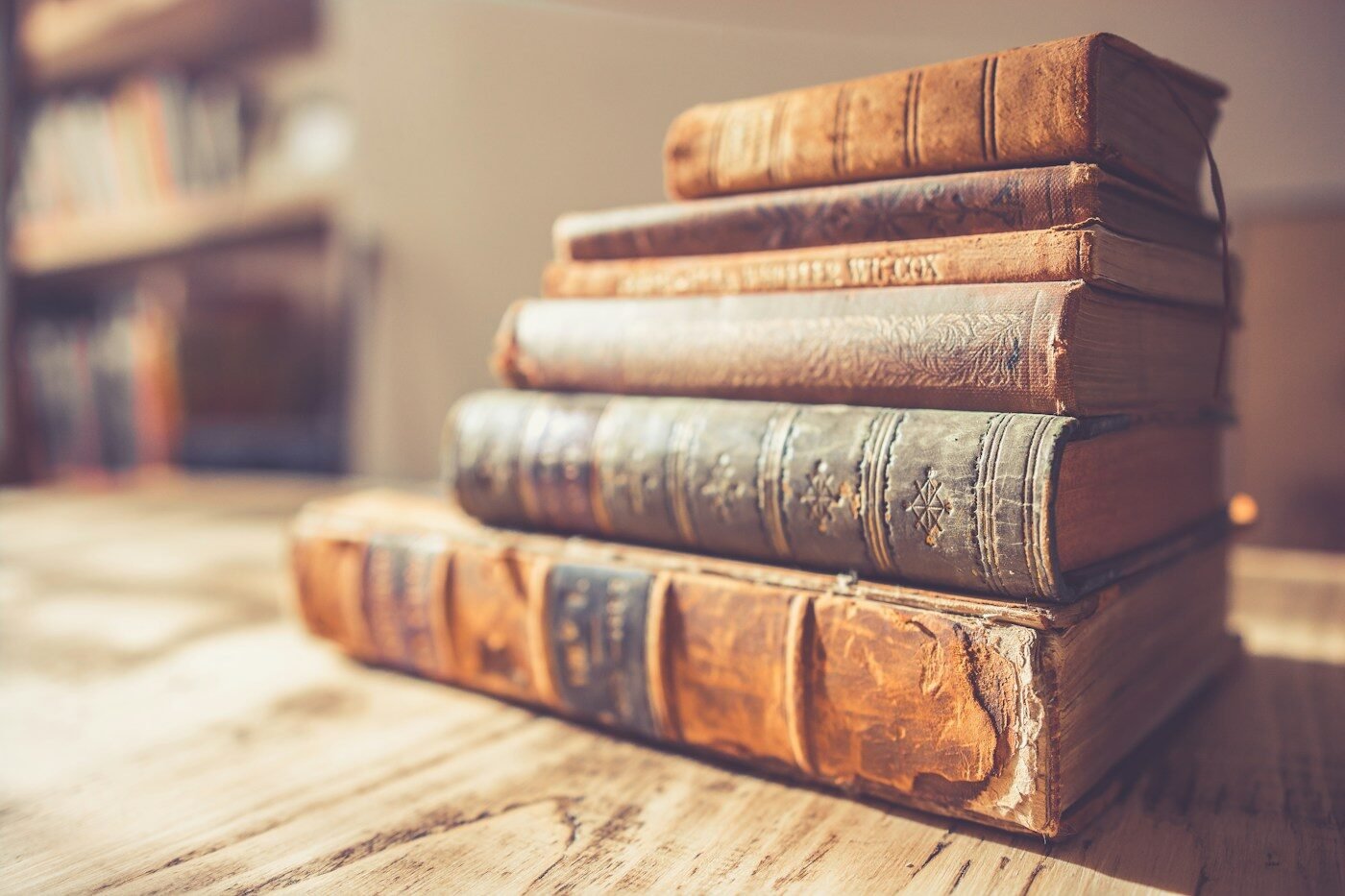
The covers often did more than look good. Wooden boards and clasps kept the pages pressed flat, which mattered with parchment, since the skin tends to curl as humidity changes. A well-bound book could last for centuries.
How much time and money a book took
Exact figures varied by place and period, but the work was always slow. A large manuscript could take many months for a single scribe, plus the time of the parchment maker, ink preparer, decorator and binder. A book was a major investment, and it was often chained or locked away in libraries to protect it.
This is why libraries and schools before printing were often built around small collections, and why reading aloud and memorization were such widespread skills. Access to books was limited, so knowledge traveled through teachers and travelers as much as through texts.
Why the printing press changed the equation
In the fifteenth century, movable type printing appeared in Europe, and within decades it dramatically lowered the cost of producing books. Instead of copying every page by hand, printers could set type once and produce many identical copies. Paper made it affordable, and the number of books in circulation grew rapidly.
Hand bookmaking did not disappear. It survived as a craft and an art form, and today bookbinders and calligraphers continue to produce handmade volumes. Many people learn simple binding methods as a hobby, using needle, thread and folded sheets.
Try a simple version yourself
You can make a small handbound notebook at home using materials you already have:
- Fold several sheets of paper in half to make a signature.
- Pierce small holes along the fold with an awl or a needle.
- Sew the folded sheets together with strong thread.
- Attach a card cover with glue or by stitching it through the same holes.
Even a basic project like this shows how much planning goes into a seemingly simple object.
Frequently asked questions
What were books made from before paper?
Writing surfaces included clay tablets, papyrus and parchment. Parchment, made from animal skin, was especially common for bound books in the Mediterranean world and Europe.
How long did it take to copy a book by hand?
It depended on the length and the style of writing, but a large volume could take many months. Preparing the pages, ink and binding added more time.
What is the difference between parchment and vellum?
Both are made from animal skin. The term vellum is often used for the finest, smoothest parchment, traditionally made from calfskin, although usage varies.
Why were old books so expensive?
Materials, skilled labor and long production times all added to the cost. Parchment alone required many animal skins for a large book.
Do people still make books by hand today?
Yes. Artists and craftspeople continue to bind books by hand, often using traditional techniques, and many hobbyists enjoy simple bookbinding projects.
What handmade books remind us
Every old manuscript is the product of a long chain of skilled hands: the person who prepared the pages, the scribe, the decorator and the binder. Knowing that chain makes it easier to appreciate why books were treasured, and why the leap to affordable printing was so significant. The next time you open a book, remember that making one used to take a workshop of people and a year of patience.