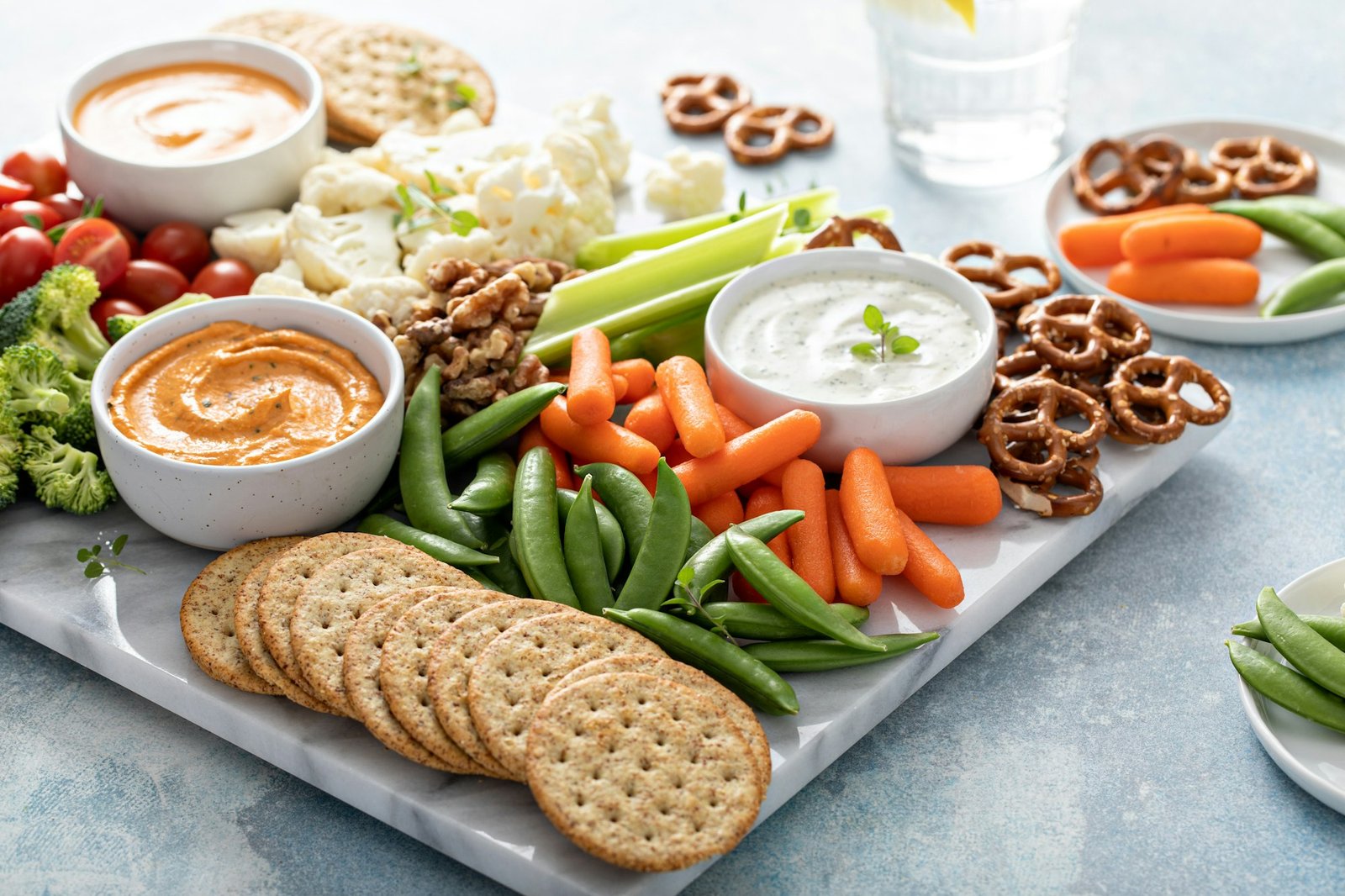


If you want to understand a culture quickly, look at what people eat before they leave the house in the morning. Breakfast is the meal least touched by restaurants and trends, and the one most shaped by habit, climate, available ingredients and the rhythm of daily life. In some places it is a sweet pastry and coffee standing at a counter. In others it is a lavish table of cheeses, eggs, olives and breads shared with family on a weekend. Comparing the world’s first meals reveals how much a morning plate can say about the people who make it.
Morocco: bread, olive oil and mint tea
A traditional Moroccan breakfast revolves around bread and tea. Stacks of flaky square msemen and spongy, many-holed baghrir are served with honey, butter or soft cheese. Round loaves are dipped in olive oil, and some families add amlou, a spread of ground almonds, argan oil and honey. Boiled or fried eggs, olives and fresh seasonal fruit often join the table, and sweet mint tea or coffee with milk completes it.
The meal is simple and nourishing, based on a few staples done well, and the emphasis is on sharing food from the middle of the table.
Turkey: the generous breakfast spread
Turkish breakfast, called kahvaltı, which literally means “before coffee,” is less a single dish than an array. A table may hold white cheese, olives, sliced tomatoes and cucumbers, boiled eggs, honey, jam, clotted cream, simit (sesame-covered bread rings), fresh bread and small dishes of spreads. Tea is poured continually in small glasses.
At weekends, the meal can stretch for hours, and families and friends linger over it. The abundance reflects hospitality and the pleasure of eating slowly with others.
Japan: a balanced bowl, not a sweet pastry
A traditional Japanese breakfast looks like a small version of dinner. Steamed rice, miso soup, grilled fish, a little egg dish such as rolled omelet, pickled vegetables and sometimes fermented soybeans make up a balanced set of small dishes. Green tea is served alongside.
The approach prizes variety and moderation, with many small portions rather than one large plate. It shows how savory breakfasts can be gentle and light.
The Middle East and Egypt: beans and flatbread
In Egypt and across the Levant, a hearty breakfast can center on legumes. Ful medames, slow-cooked fava beans mashed with olive oil, lemon, garlic and cumin, is eaten with warm flatbread. Hummus, falafel, fresh vegetables, labneh and olives often accompany it. The meal is filling, inexpensive and built from plant protein, which makes it a good example of how local staples shape tradition.
India: variety by region
India has no single breakfast, since the choices change dramatically from one region to another. In the south, soft steamed rice cakes called idli and crisp, thin dosa are served with chutney and a lentil and vegetable stew. In the north, stuffed flatbreads (parathas) come with yogurt and pickles. Elsewhere, poha, flattened rice cooked with onions, spices and peanuts, is a popular quick breakfast. Many are paired with spiced milky tea.
Mexico: leftovers made delicious
Mexican breakfast dishes, such as chilaquiles and huevos rancheros, make the most of tortillas and sauces. In chilaquiles, tortilla pieces are simmered in red or green salsa and topped with cheese, cream and sometimes eggs. Refried beans and fresh fruit often appear on the side. It is a hearty, flavorful meal that transforms yesterday’s tortillas into something special.
The British Isles: the cooked breakfast
A traditional full breakfast in Britain and Ireland combines fried or scrambled eggs, baked beans, grilled tomatoes, mushrooms and toast, with tea. Variations around the world swap in local ingredients, and many households keep a lighter version of cereal, toast or porridge for weekdays.
What breakfasts share across cultures
Despite the differences, a few patterns show up almost everywhere.
- Bread or grain is the foundation. Flatbreads, rice, porridge, toast, tortillas and pancakes all provide quick energy.
- A hot drink opens the day. Tea, coffee or warm milk marks the start of the morning.
- Eggs and dairy appear often. Cheese, yogurt, butter and eggs are common sources of protein.
- Fermented and preserved foods add flavor. Pickles, cheese, yogurt and jams bring variety without extra cooking.
- Weekdays are quick, weekends are slow. Many cultures have a hurried everyday version and a leisurely feast for special mornings.
Savory or sweet?
One of the biggest divides is between sweet and savory mornings. Much of Europe and North America leans sweet, with pastries, cereals and jam. Large parts of Asia, the Middle East and North Africa lean savory, with soups, beans, eggs and vegetables. Neither is better in any universal sense. Both are shaped by tradition, available ingredients and habit, and many people enjoy a mix.
Building a balanced breakfast at home
You do not need to cook a full spread every day. A simple formula can help.
- Pick a base: bread, oats, rice, flatbread or another grain.
- Add protein: eggs, yogurt, cheese, beans, nuts or lentils.
- Include fruit or vegetables: tomato and cucumber, fruit, or leftover cooked vegetables.
- Add a little healthy fat: olive oil, nuts, seeds or avocado.
- Choose a drink: tea, coffee, milk or water, according to your taste.
A Moroccan-inspired morning might be warm bread with olive oil, a boiled egg, olives, a few slices of tomato and mint tea. A quick Middle Eastern version might be flatbread with hummus, cucumber and yogurt. This is general food inspiration, not nutritional advice, and your own needs may differ, so consult a health professional if you have specific dietary requirements.
Try a world breakfast week
If you like to experiment, here is an easy challenge. Each day for a week, try one breakfast inspired by a different country, keeping the recipe simple.
- Monday: Turkish-style plate with cheese, olives, tomato, cucumber and bread.
- Tuesday: Egyptian-style beans with lemon and olive oil on warm flatbread.
- Wednesday: Japanese-style rice with miso soup and egg.
- Thursday: Mexican-style tortillas simmered in salsa with an egg on top.
- Friday: Indian-style poha or a vegetable-stuffed flatbread with yogurt.
- Saturday: A slow, shared spread with whatever you enjoyed most.
- Sunday: Your own invention, combining favorites.
Frequently asked questions
Why is breakfast different in every country?
It reflects local staples, climate, farming, work patterns and family tradition. Foods that are cheap, filling and available in the morning naturally become part of the meal.
Is breakfast really the most important meal?
Opinions and research vary, and different people do well with different eating patterns. The most useful approach is to choose what keeps you comfortable and energized.
What is a quick breakfast from another culture?
Flatbread with olive oil and olives, yogurt with fruit and nuts or a bowl of rice with egg and vegetables are all fast and satisfying.
Can I make traditional breakfasts without special equipment?
Mostly, yes. Many classic breakfasts, such as bean dishes and egg plates, need only a pan and a pot. Others, like specialty breads, may take practice or a visit to a bakery.
How can I learn more about a country’s breakfast?
Ask friends and neighbors from different backgrounds, visit local bakeries and markets, or cook from reputable regional cookbooks.
The first meal tells a story
A breakfast table is a small window into a culture: what grows nearby, how families gather, what counts as hospitality. Next time you sit down to your own morning meal, think about where it comes from and try borrowing one idea from another table. A drizzle of olive oil, a bowl of beans or a pot of fragrant tea might be all it takes to make an ordinary morning feel a little more special.