

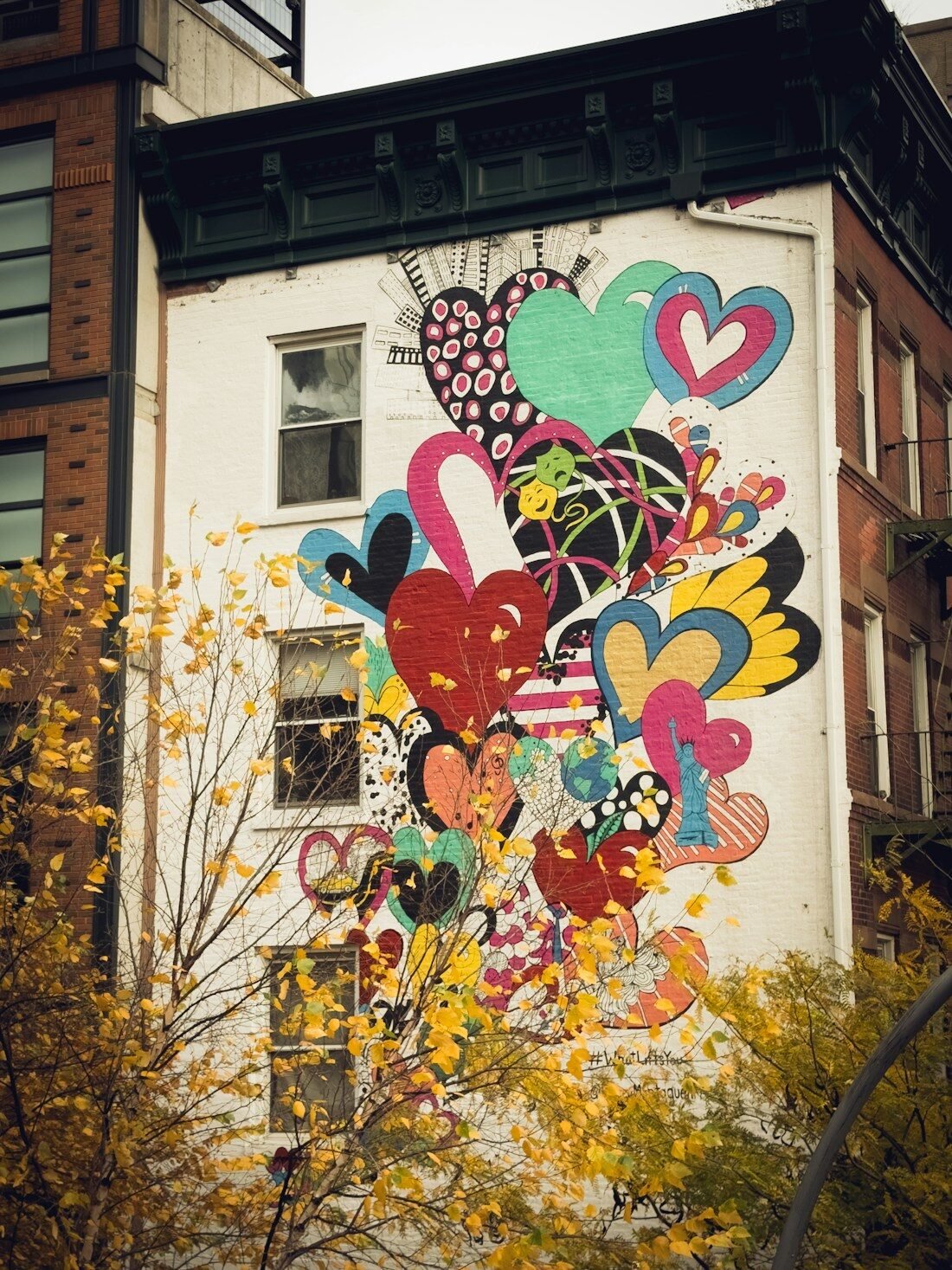
A blank wall on a quiet street does nothing. Paint it, and people slow down, take photos, argue about what it means and sometimes start caring about the block it sits on. Murals have become a favorite tool for cities and neighborhood groups that want to change how a place feels without waiting for a major construction budget. The results can be remarkable, but they are not automatic, and the best projects share some clear habits.
Why a painted wall changes a street
People read public space for signals. A neglected wall, covered in peeling paint and random tags, tells passersby that nobody is paying attention. A well-kept mural sends the opposite message: someone invested time here, and someone is watching over it.
Murals also do something plain walls cannot. They give a place an identity. A mural showing local plants, historic scenes or abstract patterns turns an anonymous alley into somewhere with a name and a story. That sense of place can make residents feel proud, and it gives visitors a reason to stop and look.
A short history of public wall painting
Painting on public walls is thousands of years old, from ancient decorated facades to the large civic murals of the twentieth century. In the early 1900s, Mexican muralists painted huge works on public buildings with the idea that art should belong to everyone, not only to those who could visit galleries. That philosophy shaped community mural movements across many countries.
In the United States, Philadelphia’s Mural Arts Program began in the 1980s as part of an effort to redirect graffiti energy into organized public art, and it grew into one of the largest mural programs in the country. In Morocco, the coastal town of Asilah has become known for artists painting on the walls of its old town, a tradition that began with a local arts festival in the late 1970s. These examples show how murals can anchor both cultural identity and local tourism.
How a mural actually gets made
Behind every mural is a long list of practical decisions. The painting itself is often the shortest part of the project.
Permission and planning
A mural needs the written agreement of the building owner, and often approval from a local authority if the wall faces a public street. Skipping this step turns a project into a dispute. Good teams also talk to neighbors early, so the design is shaped by the people who will live with it every day.
Wall preparation
Paint only lasts as long as the surface beneath it. The wall is cleaned of dust, loose paint and mildew, cracks are filled, and a primer suited to the surface (brick, concrete, plaster or metal) is applied. Rushing this step is the most common reason murals peel within a couple of years.
Scaling the design
Turning a small sketch into a huge wall is a technical job. The most common method is the grid system: the sketch is divided into squares, the wall is divided into the same number of larger squares, and the artist copies the content of each square across. Some artists project the image onto the wall at night and trace the main outlines. Either way, getting proportions right early saves hours of corrections.
Choosing materials
Exterior murals face sun, rain, wind and dust, so the paint matters. Artists typically use exterior-grade acrylic or masonry paints, often with pigments chosen for lightfastness, meaning they resist fading in strong sunlight. A final protective coating can add durability and make it easier to clean off dirt or unwanted marks.
Designing with the neighborhood
The strongest murals reflect the community they sit in. A few ideas that make designs feel rooted rather than imposed:
- Use local plants, landscapes or patterns from regional crafts.
- Invite residents to suggest themes or vote on sketches.
- Involve students, so young people take part in making something that will last.
- Choose imagery that works for all ages and respects local values.
A mural about the history of a street can start conversations between generations, as older residents recall details that younger ones have never heard. Projects built this way tend to be better protected by the community, since people who helped create the work feel a sense of ownership.
What the evidence says about neighborhood effects
Many city programs and community groups report that murals improve how residents feel about their surroundings, increase foot traffic and reduce repeated defacing of the same wall. These claims are common, but the research is more mixed than the headlines suggest. Studies of public art vary in quality, and it is hard to separate the effect of a mural from the other changes happening in a neighborhood at the same time.
It is fair to say that murals can contribute to a stronger sense of place, but they are not a substitute for services, safe streets or economic opportunity. Treat them as one tool among many.
The honest counterpoint: who benefits?
There is a genuine debate about public art and rising prices. In some neighborhoods, attractive murals draw visitors, businesses and new residents, and rents may rise as a result. Longtime residents can find themselves priced out of the place that their art helped make desirable.
Responsible projects acknowledge this tension. They involve local residents in decisions, hire local artists where possible and aim to benefit the people already living there. A mural should reflect the community, not simply decorate it for outsiders.
Keeping a mural alive
A mural is not finished when the last brushstroke dries. Sun, rain and pollution slowly wear it down, and walls shift and crack. A maintenance plan makes the difference between a mural that lasts a decade and one that fades in three years.
- Document the original design with high-quality photos so touch-ups match.
- Inspect the wall once or twice a year for cracks, peeling and water damage.
- Keep spare paint in labeled containers, noting exact colors.
- Decide in advance who is responsible for repairs, and how they will be funded.
Frequently asked questions
How long does a mural last?
With good wall preparation, quality exterior paint and a protective coating, a mural can last ten years or more. Harsh climates and poorly prepared walls shorten that considerably.
How much does it cost to paint a mural?
Costs vary widely with wall size, materials, artist fees and equipment such as scaffolding. Request detailed quotes, since prices differ between regions and projects.
Do I need permission to paint a mural?
Yes. You need the consent of the property owner and, for walls facing public space, often a permit from local authorities. Rules differ by place, so check current local requirements.
Can volunteers help paint a mural?
Often, yes. Many projects invite community members to fill in large color areas under an experienced artist’s direction, which builds ownership and speeds up the work.
What is the difference between a mural and graffiti?
A mural is typically commissioned or approved by the property owner and planned in advance. Graffiti is usually done without permission, though the boundary between the two is debated.
A wall, a plan and a community
Murals work when they combine good art, careful preparation and genuine local involvement. If you are thinking about one for your street, start with the conversation, not the paint. Find the owner, talk to the neighbors, decide who will maintain it, and let the design grow from the place itself. A wall painted that way becomes part of the neighborhood, not just something on it.