

Rice feeds more people than any other grain on the planet, and almost every region that grows it has developed its own way to cook it. In one kitchen the grains come out separate and fluffy, in another they are sticky enough to pick up with chopsticks, in a third they melt into a creamy porridge. The same ingredient behaves completely differently depending on the variety, the preparation and the method. Understanding why makes you a better cook, and it explains a lot about the food cultures behind each dish.
The starch secret behind every rice
The key to how rice behaves lies in its starch, which comes in two forms.
- Amylose is a straight-chain starch that keeps grains firm and separate after cooking.
- Amylopectin is a branched starch that makes grains soft, sticky and clingy.
Rice with more amylose, such as basmati, cooks into fluffy, distinct grains. Rice with more amylopectin, such as sushi rice and short-grain varieties, cooks sticky and tender. This one difference explains why a rice you love in one dish can ruin another.
Main types of rice
- Long-grain rice (basmati, many American long-grain types): slender grains that stay separate and light. Basmati has a distinctive aroma and is popular for pilafs and biryani.
- Jasmine rice: a fragrant long-grain rice that cooks slightly softer, common in Southeast Asian cooking.
- Medium-grain rice: a softer, slightly sticky rice used in many Mediterranean and Latin American dishes.
- Short-grain rice: plump, sticky grains used for Japanese-style meals, rice puddings and dishes that need the grains to stay together.
- Glutinous or sticky rice: despite the name, it contains no gluten. It becomes very sticky and is central to many Southeast Asian dishes.
- Brown rice: any variety with the bran layer kept on. It takes longer to cook and has a nuttier flavor and chewier texture.
Five great rice traditions
1. The pilaf method: toasted grains and measured liquid
Found across the Middle East, Central Asia, Turkey and North Africa in countless forms, a pilaf begins by sautéing rice in oil or butter, often with onion, until the grains are coated and slightly translucent. Hot stock or water is added, then the pot is covered and cooked gently without stirring. The toasting step helps keep the grains separate and adds a nutty flavor. Spices, dried fruit, nuts and vegetables can be folded in.
2. The Persian steam method and its crispy crust
Persian-style rice is famous for its long, fluffy grains. The rice is rinsed and soaked, briefly boiled in salted water, drained and then steamed in a pot with a little oil. The result is delicate, separate grains topped by a golden, crunchy layer at the bottom called tahdig, which many people fight over at the table.
3. The Japanese method: wash, soak, steam
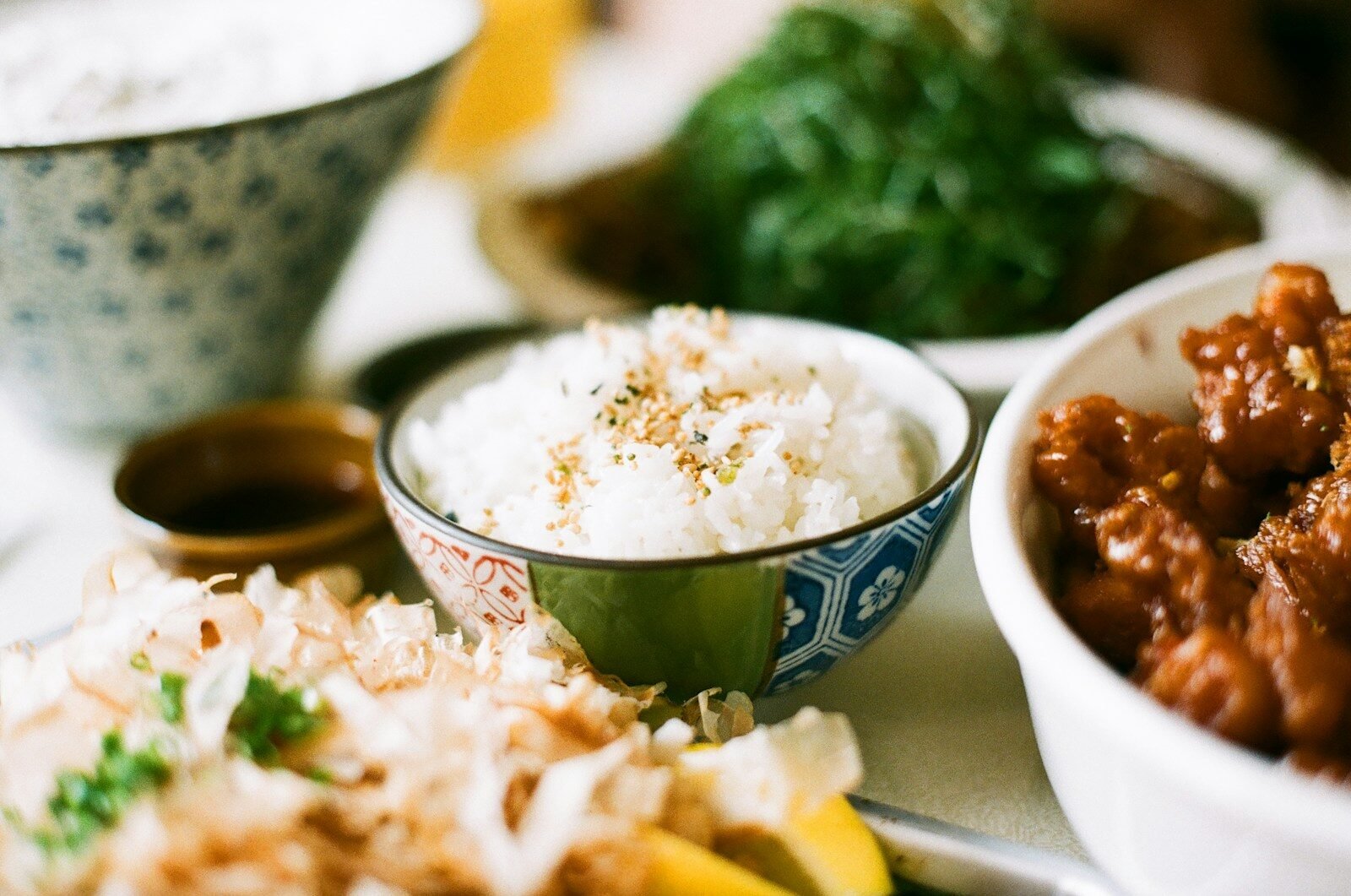
Short-grain Japanese rice is washed several times until the water runs mostly clear, soaked for a short period and then steamed in a covered pot or rice cooker. The goal is shiny, tender grains that stick together enough to be eaten with chopsticks. Seasoning is minimal so the flavor of the rice comes through.
4. The paella and risotto approach: rice that absorbs flavor
In Spain’s paella and Italy’s risotto, medium-grain rice is chosen because it absorbs a lot of liquid without falling apart. In risotto, stock is added gradually and stirred, releasing starch to create a creamy sauce. In paella, the rice is spread in a wide pan and cooked without stirring, which can create a prized toasted layer called socarrat.
5. The one-pot spiced rice of West Africa and South Asia
Dishes like West African jollof and Indian biryani cook rice together with a spiced base such as tomato, onions and chilies, or layered with seasoned vegetables or meat. The grains drink up the flavor of everything they cook with, so the rice is the star of the plate rather than a side.
Basic technique that applies to nearly everything
Rinse when you want separate grains
Rinsing removes excess surface starch. Swirl the rice in a bowl of cool water, drain and repeat until the water is fairly clear. Skip rinsing for dishes where creaminess is wanted, such as risotto.
Measure the water
Ratios vary with the variety, the age of the rice and the pot, so treat any figure as a starting point. As a rough guide, many cooks use about 1.5 to 2 parts liquid to 1 part rice by volume for white rice, and more for brown rice. Always check package instructions.
Do not lift the lid
Once the rice is simmering gently in a covered pot, resist the urge to peek or stir. Escaping steam changes the cooking, and stirring can make it gummy.
Rest before serving
When the cooking time is over, turn off the heat and leave the pot covered for about ten minutes. The residual steam finishes the grains evenly and firms them up. Then fluff gently with a fork.
Common problems and fixes
- Mushy rice: too much water or cooked too long. Use a little less liquid next time.
- Hard or crunchy centers: too little water or heat too high. Add a splash of hot water, cover and steam a little longer.
- Burnt bottom: heat too high or a thin pot. Use a heavy-bottomed pot and the lowest flame.
- Sticky and clumped when you wanted fluffy: rinse more thoroughly and avoid stirring.
Storing and reheating safely
Cooked rice can carry bacteria that survive cooking and multiply if rice is left at room temperature. To stay safe, cool leftover rice quickly, refrigerate it within an hour or so and eat it within a day or two. Reheat until steaming hot. Do not leave cooked rice sitting out for long periods. This is general food safety guidance, and local recommendations may vary.
Frequently asked questions
Should I rinse all rice?
Rinse for fluffy, separate grains, and skip it for dishes such as risotto, where the surface starch helps create creaminess.
Why does my rice cooker produce better rice than my pot?
A rice cooker controls temperature and timing precisely and shuts off at the right moment. With practice, a heavy pot and a tight lid can give excellent results too.
Is brown rice healthier?
It keeps the bran and germ, so it has more fiber and some nutrients. Whether it suits you depends on your needs and preferences, and both brown and white rice are part of balanced eating around the world.
Can I cook rice in stock instead of water?
Yes. Stock adds flavor, but taste before salting, since stock often contains salt.
What is the best rice for fried rice?
Day-old, cooked and chilled long-grain rice works best, because the grains are drier and fry without clumping.
One grain, many worlds
Rice shows how technique and culture shape a simple ingredient. The next time you cook it, think about what you want from the grains: separate and light, sticky and tender or creamy and rich. Choose the variety and method to match, keep notes on water and time and enjoy discovering how many different dishes begin with the same humble bowl.