


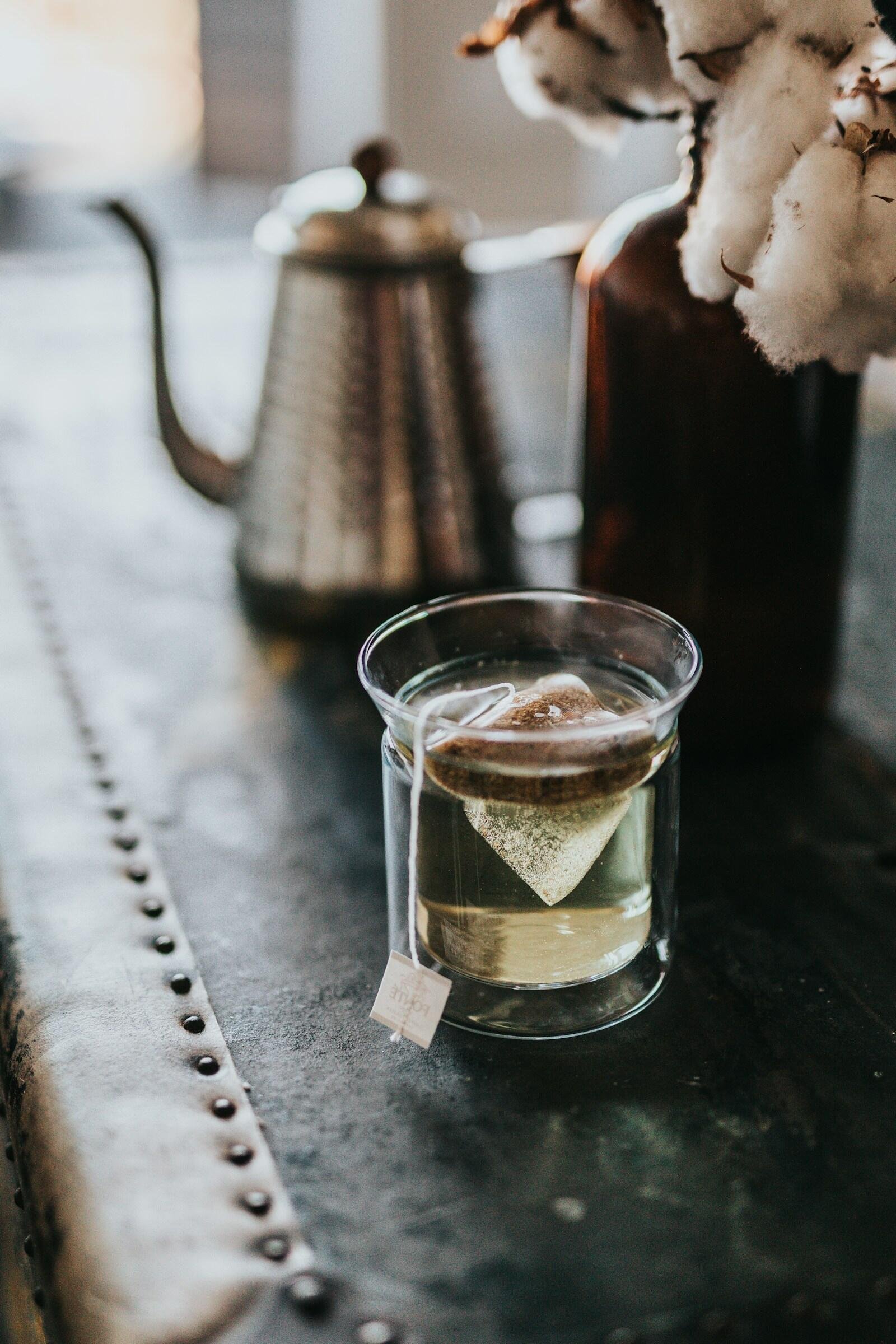
After water, tea is the most widely consumed drink on Earth, and almost every culture that has met it has made it its own. In one country it is boiled with milk and spices. In another it is poured from a height into tiny glasses. In a third, it is whisked into a vivid green froth. The leaf is the same, yet the ritual, the flavors and the meaning change completely from one table to the next. Looking at how tea is prepared around the world is a quick way to see how a single ingredient can carry a whole culture.
One plant, many teas
All true tea comes from a single plant species, Camellia sinensis. The differences between white, green, oolong and black tea come mostly from how the leaves are processed after picking, in particular how much they are allowed to oxidize, which is a chemical change similar to a cut apple turning brown.
- White tea: minimally processed, with a delicate, light flavor.
- Green tea: heated early to stop oxidation, giving a fresh, grassy or vegetal taste.
- Oolong: partly oxidized, with a wide range from floral to roasted.
- Black tea: fully oxidized, strong and malty.
- Pu-erh: a fermented and aged tea, earthy and deep.
Drinks made from herbs, flowers or fruit, such as mint or chamomile infusions, are often called herbal teas, though they come from other plants. They are a different category, and many cultures blend them with real tea.
Moroccan mint tea: hospitality in a glass
In Morocco and across much of North Africa, mint tea is a symbol of welcome. It is typically made from Chinese gunpowder green tea, rolled into small pellets, together with a generous handful of fresh mint and a good amount of sugar.
The preparation is part of the experience. The tea is brewed in a metal teapot, often briefly rinsed first to remove bitterness, then steeped with mint and sugar. The host pours it from a height into small glasses, which cools it slightly, mixes the flavors and creates a light foam on top. The pot is often poured back and forth into a glass and returned to the pot to blend the sweetness evenly.
Serving tea to a guest is a gesture of generosity and friendship. Accepting a glass is a polite way to show appreciation, and a visit rarely passes without one being offered.
Indian chai: tea that is cooked
In India, everyday chai is not steeped but simmered. Strong black tea is boiled with milk and water, sweetened and flavored with spices, commonly cardamom and ginger, and sometimes cinnamon, cloves or black pepper. This blend is called masala chai, from the word for a mixture of spices.
The strong, robust leaf is chosen because it must stand up to milk and long simmering. Street vendors prepare it in large pots and serve it in small cups or clay cups. It is a quick social ritual, a reason to stop, talk and take a break in the day.
Japanese tea: precision and calm
Japan is known for green tea, from everyday sencha to the ceremonial powdered tea called matcha. Matcha is made from shade-grown leaves that are ground into a fine powder. It is not steeped but whisked in a bowl with hot water until frothy, and the whole powder is consumed, which gives it a rich, concentrated flavor.
The traditional Japanese tea ceremony turns preparation into a slow, mindful practice in which every movement is deliberate. Whether or not you ever attend one, the idea is useful for home drinking: slow down, pay attention and enjoy the aroma, color and warmth.
Chinese gongfu tea: many short infusions
China, where tea originated, has countless styles. One of the best known for enthusiasts is gongfu brewing, in which a generous amount of leaves is placed in a small pot or lidded cup and infused many times for very short periods. Each infusion shows a different side of the leaf, so the tasting becomes a conversation that unfolds over time.
The cups are tiny, the pace is relaxed and good tea is shared among friends. The same leaves can be reused many times, which suits high-quality teas.
Turkish tea: two pots and a tulip glass
In Turkey, tea is served all day long in small, curvy tulip-shaped glasses. It is prepared in a stacked pair of kettles: water boils in the lower one, while a strong concentrated brew sits in the upper one. When served, a little concentrate is poured into the glass and then diluted with hot water, so each person can choose how strong they like it.
The glass is usually small enough that it needs refilling, which keeps the conversation going. Offering tea is a normal part of business, shopping and visits.
British tea: milk, time and routine
The British are famous for black tea with milk, and for the afternoon tea tradition, which pairs tea with small sandwiches, scones and cakes. A strong black tea blend is steeped in a pot or mug and served with milk and sometimes sugar. The routine of a pause with a hot cup is deeply embedded in daily life.
Russian and Central Asian tea
In Russia and parts of Central Asia, tea is traditionally made as a strong concentrate in a small teapot that sits on top of a samovar, a large metal urn that keeps water hot. Each cup is a mix of concentrate and hot water, often accompanied by jam, dried fruit or sweets.
What these traditions have in common
- Tea is social. Almost everywhere, it is offered to guests and shared.
- The vessel matters. Glass, clay, porcelain or metal each shapes the ritual.
- Preparation is part of the pleasure. Pouring, whisking and watching the leaves open are all slow, calming actions.
- Local ingredients shape flavor. Mint, spices, milk and sugar are added according to what the region has.
Brewing tea well at home
You do not need special equipment to make a good cup. A few simple rules go a long way.
- Start with fresh water. Stale, repeatedly boiled water can taste flat.
- Match the temperature to the tea. As a rough guide, use water around 70 to 80 degrees Celsius for green tea, 80 to 90 for white or oolong and close to boiling for black tea. Water that is too hot can make green tea bitter.
- Use enough leaf. A common starting point is about one teaspoon of loose tea per cup, adjusted to taste.
- Watch the time. Most teas need two to four minutes. Taste and adjust, because over-steeping brings bitterness.
- Remove the leaves once the tea is ready, unless you are using a method that expects them to stay in.
Tea contains caffeine, though generally less than the same amount of coffee. If you are sensitive to caffeine, pregnant or have a health condition, check with a health professional about suitable amounts.
Frequently asked questions
Is herbal tea really tea?
Not in the strict sense. True tea comes from the tea plant, while herbal infusions are made from other plants. Both are enjoyable, but they are different drinks.
Which tea has the most caffeine?
It depends more on preparation than on color. Steeping time, leaf amount and water temperature all affect how much caffeine ends up in the cup.
Why is mint tea poured from a height?
Pouring from above cools and aerates the tea, mixes the sugar and mint flavors and creates a light foam. It is also part of the traditional style of serving.
Can I reuse tea leaves?
Yes, many quality teas can be infused several times, especially oolong, green and pu-erh. Each infusion tastes a little different.
Does adding milk change tea?
Milk softens bitterness and gives a creamy body. It suits strong black teas best, while delicate teas usually taste better without it.
A cup that connects
Tea reminds us that the simplest things can be the richest in meaning. Whether it is poured high over a Moroccan tray, whisked in a Japanese bowl or simmered with spices on a street corner, the drink invites people to stop, sit and share. Try preparing tea in a style you have never used and notice what it changes about the moment.