


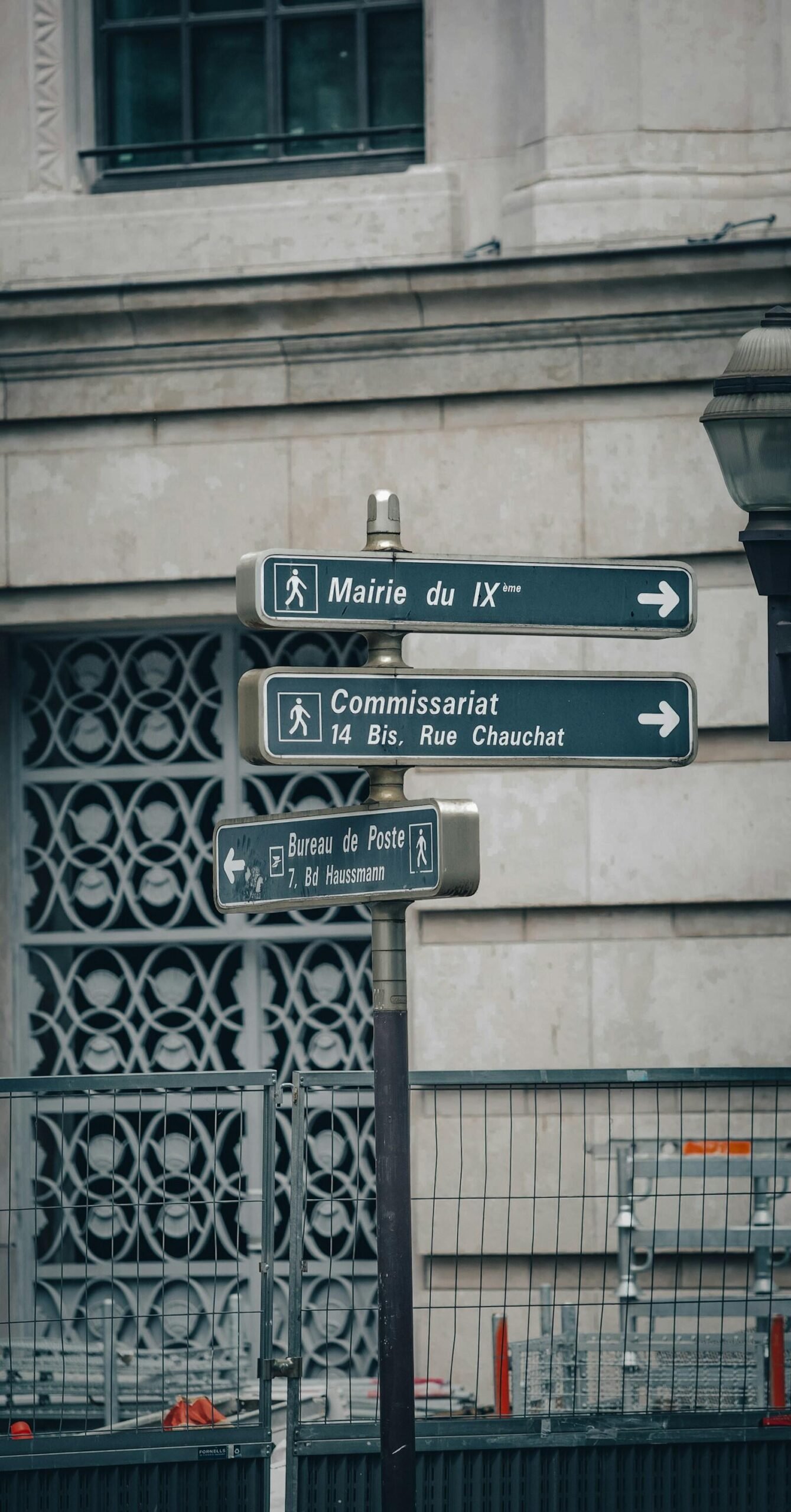
Every day, millions of people give directions using words they have never thought about. Turn left at Baker Street. Meet me on the Avenue of the Republic. It is near the old Tanners’ Gate. Place names fill our lives so completely that we treat them as labels, as ordinary as numbers. But each one began as a decision by someone, for a reason, and many still carry traces of trades long gone, forgotten landmarks, political turning points and the people a community wanted to remember. Reading a map with that in mind turns an ordinary walk into a lesson in history.
The study of place names
The scientific study of place names is called toponymy. Researchers in this field examine where names come from, what their original meanings were and how they changed over time. Names are valuable clues because they often outlive the things they described. A town may retain the name of a river that has dried up, a market that closed centuries ago or a language that is no longer spoken nearby.
Because names are passed on by habit, they tend to resist change, preserving fragments of the past in everyday speech.
The main sources of street names
1. What a street was like
Many of the oldest names are simply descriptive. A Long Street was long. A Narrow Lane was narrow. A Steep Hill, a Sandy Road or a Wide Street told travelers what to expect. These names were practical, a sort of verbal map that anyone could remember.
2. What people did there
Streets were often named for the trade carried out along them. In medieval towns, craftspeople worked together, so a street of tanners, dyers, bakers, goldsmiths or coppersmiths took the name of its profession. Names such as the French rue des Boulangers (bakers’ street) or the many streets called Butcher Row and Tanner Street across Europe preserve that pattern. In the old medinas of North Africa, quarters traditionally associated with particular trades follow the same logic, as with districts of metalworkers, leatherworkers or dyers.
Sometimes the name survives long after the trade has moved or disappeared. A street named for fishmongers may now be full of offices, but the name remembers the smell and bustle of another era.
3. What stood nearby
Landmarks make convenient reference points. Streets are named after gates, bridges, churches, castles, fountains, markets, wells or large trees. In walled cities, a road that led to a particular gate often took the gate’s name. The word “cheap” in the name Cheapside in London comes from an Old English word for a market, because the street was the site of one.
4. Who owned or built it
Streets named after landowners, builders or developers are common, particularly in cities that grew rapidly. A popular example is London’s Baker Street, which is generally believed to have been named after a builder named Baker and not after bakers. This is a good reminder that obvious interpretations are sometimes wrong, which is why checking sources is important.
5. Where it led
Roads were named for the destination they reached: the road to a certain town, a port or a neighboring region. Many streets called Market Road, Harbor Street or Lisbon Avenue began as the route to that place.
6. People and events worth remembering
Commemorative names became popular in the last few centuries, when cities began naming streets after rulers, national heroes, poets, scientists, writers and key dates. Many countries have avenues named after national leaders or historic dates, and many cities have streets named for writers, artists and thinkers. These names tell a story about who a community admires and what it wants its young people to learn.
7. Order and numbers
Some cities, particularly those planned on a grid, simply number or letter their streets. Manhattan’s numbered streets and avenues are famous. This method is efficient and easy to navigate, though it tells you less about local history.
When names change
Street names are not fixed. They change when a society’s priorities do, and the reasons for renaming reveal a great deal.
- Political and national change. After independence, revolution or regime change, new governments often rename streets to remove references to previous rulers and to honor new heroes and ideas. Many former colonies renamed streets after independence.
- Reassessing history. Communities sometimes rename streets after debates about figures whose actions are now viewed differently.
- Practical reasons. Mergers of towns, duplicated names or confusing numbering can lead to renaming for clarity.
- Honoring someone new. A street may be renamed to commemorate a notable person after their death.
Renaming can be controversial. For some people, an old name carries heritage and familiarity, and for others it represents something they wish to leave behind. Residents often keep using older names informally long after official signs change, so a city may have two layers of names, one on the signs and one on people’s lips.
Names as identity
Place names do more than direct traffic. They shape how people feel about where they live. A street named after a local tradition or a neighborhood hero can strengthen a sense of belonging, while a name that no one understands can feel empty. Communities frequently campaign to preserve traditional names, or to restore forgotten ones, as a way to protect cultural memory.
Names also reveal who has been included in a community’s story. In some places, streets named after women or minority figures are relatively rare, and residents and councils have worked to broaden the range of people honored.
How to uncover the story behind a name
You can investigate your own neighborhood with a few simple steps.
- Look at the name closely. Does it describe a feature, a trade, a person, a destination or a date?
- Ask older residents. Long-term neighbors often know unofficial names and the stories behind them.
- Check local libraries and archives. Many libraries hold local history collections, old maps and street directories.
- Consult municipal records. City or town offices sometimes keep records of naming decisions.
- Compare old and new maps. Changes in a name or route may reveal a story.
- Be cautious with popular explanations. A tidy story is not always accurate. Look for at least one reliable source before accepting it.
A walk as a history lesson
Try an experiment on your next stroll through an old part of town. Choose five street names and guess what each one means. Then check your guesses. You might discover a former market, a vanished gate, a once-thriving craft or a person who shaped the town. The exercise changes the way you see familiar places, and it often leads to conversations with neighbors you have never spoken to.
Frequently asked questions
Why do so many streets have similar names?
Towns often share common features, trades and landmarks, so the same descriptive names appear repeatedly. Names such as Church Street, Market Street and High Street are found in many places for that reason.
Who decides street names?
It varies. Historically, names arose from common usage. Today, local councils, planning authorities or governments usually decide, sometimes following public suggestions.
Why do people keep using old names after a renaming?
Habit, familiarity and emotional attachment keep old names alive. Local usage can last for generations.
Can I find out why my street has its name?
Often, yes. Local libraries, historical societies, municipal offices and older residents are good places to start.
Are all stories about place names true?
No. Many popular explanations are legends or guesses. Reliable sources and records are the best guide.
Names that remember
A street name is a very small piece of text, but it can carry a very large amount of memory. It records what people did, what they valued and what they feared losing. The next time you pass a sign with a name that puzzles you, take a minute to wonder about it. Behind that simple label, there is usually a story waiting for someone to ask.