


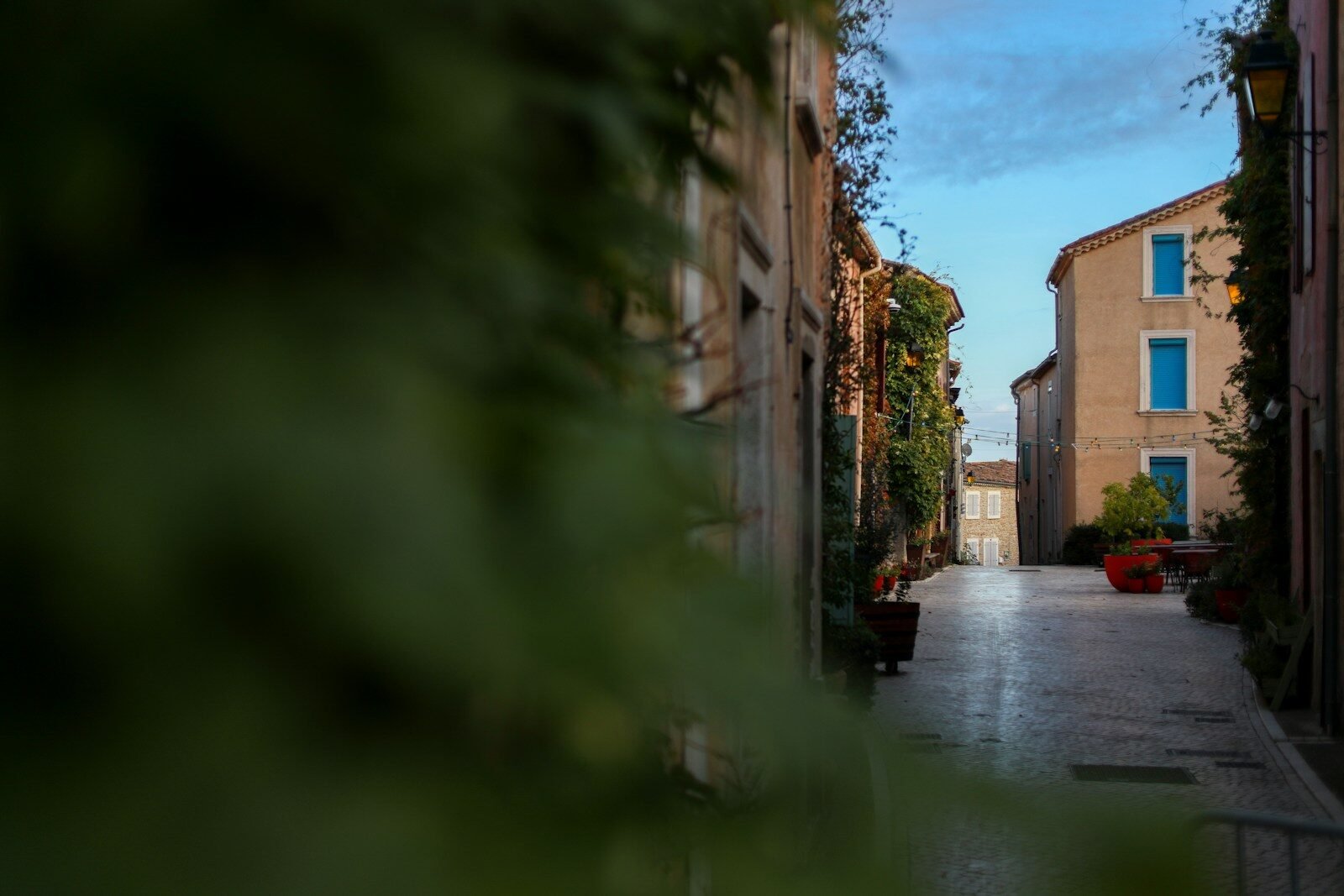
Most of the walking we do in a city is invisible. We hurry from the door to the bus stop, from the car to the shop, with our eyes on the phone and our minds on the next task. We pass hundreds of small details every day and register almost none of them. But the same streets, walked slowly and with attention, can feel like a different place. A short trip to buy bread can become a small exploration, and an errand can become a pleasure. You do not need a special destination or equipment, only a change of mindset.
Why walking suits leisure
- It is free and flexible. You can start from your doorstep and stop whenever you like.
- It is gentle exercise. Regular walking is widely recommended as a way to stay active, and it suits most ages and fitness levels.
- It helps thinking. A well-known Stanford study found that people produced more creative ideas while walking than while sitting. Many writers and thinkers swear by their daily walk.
- It lifts the mood. Time outdoors, movement and a change of scenery often leave people feeling calmer, though individual experiences vary.
- It connects you to your neighborhood. On foot, you notice shops, gardens, people and corners you would miss from a car.
The art of wandering
The French have a word for someone who strolls the city simply to observe it: flâneur. The idea is to walk without hurry or a fixed goal, letting curiosity lead. You do not need to adopt a literary pose. The core habit is to walk as if you were a visitor in your own town.
Turn errands into explorations
You may not have time for a long wandering walk every day, but you probably have errands. Here is how to turn them into leisure.
- Walk instead of driving when the distance is short, even if it takes a little longer.
- Change your route. Take a different street each time. Even a block’s difference reveals new things.
- Leave early. Ten extra minutes removes the rush and allows you to look around.
- Visit a different shop. Try the bakery two streets over or a market you rarely visit.
- Combine tasks into a loop, so that several errands become one pleasant walk.
- Carry a bag. Reusable bags and a small backpack make shopping on foot easier.
Games to sharpen your eyes
A little structure helps attention. Choose one of these themes for a walk.
- Doors and doorways. Notice shapes, colors, handles and carvings.
- Shapes. Hunt for circles, arches, triangles or patterns in buildings.
- Colors. Pick one color and count how many times you see it.
- Plants. Observe trees, flowers and the plants growing in cracks and balconies.
- Sounds. Stop and listen for a minute, noting everything you hear.
- Smells. Bread, spices, rain on dust, jasmine, wood smoke.
- Old and new. Look for signs of the neighborhood’s history, such as old walls, plaques and mixed building styles.
- Look up. Roofs, balconies, windows and sky often hold the best details.
The “one new thing” rule
On each walk, find one thing you have never noticed before. It might be a carved doorway, a small café, a mural or a street name. It takes only a minute and turns the familiar into the interesting. If you like, jot it down in a small notebook or take a photo, and you will build a collection of discoveries.
Slow down on purpose
- Walk a little slower than usual.
- Keep your phone in your pocket, or use it only for maps and photos.
- Try going without headphones, or at least listen to something that lets you stay aware.
- Pause sometimes on a bench or a corner and simply watch.
- Breathe, and notice your feet and posture.
This is sometimes called mindful walking. It is not a performance, only a gentle way of paying attention.
Make it social
- Walk with a friend or family member, and use the time for conversation.
- Take children, and let them lead sometimes. Children notice remarkable things.
- Join a local walking group or a guided walk about history, architecture or nature.
- Greet neighbors and shopkeepers. Small exchanges build a sense of belonging.
Give your walks a purpose
- Walk to a market or bakery and bring something home.
- Visit a local park, a viewpoint or an old part of town at a quiet time.
- Follow a theme, such as the oldest buildings, the best sunset spot or every fountain.
- Photograph the same street at different times of day or across the seasons.
- Look for a free local walking map, or make your own.
Comfort and safety
- Wear comfortable, supportive shoes, since blisters ruin a walk.
- Dress for the weather, and carry water in hot conditions.
- Protect yourself from the sun with a hat and sunscreen.
- Use crossings and stay alert near traffic, especially when distracted by sights.
- Choose well-lit, populated routes after dark, and tell someone where you are going if you walk alone in unfamiliar areas.
- Keep valuables out of sight in crowded places.
- Respect local customs and private property, including dress and photography etiquette.
If you have health concerns that limit walking, speak to a health professional about a suitable plan.
Accessibility and pace
Walking for leisure does not have to be long or fast. Short, gentle strolls count, and benches, accessible paths and shorter loops make walks possible for people with limited mobility. Take the pace and distance that feel good to you.
Frequently asked questions
How far should I walk?
Distance matters less than regularity. Even fifteen to thirty minutes a few times a week is a good start.
What if my neighborhood is boring?
Try the observation games, walk at different times of day or visit a neighboring area. Familiar places often reveal surprises when you slow down.
Do I need special gear?
Only comfortable shoes and weather-appropriate clothing. A notebook and a camera are optional extras.
Is it better to walk alone or with others?
Both have benefits. Solo walks offer quiet and focus, while shared walks bring conversation.
Your city, on foot
A city rewards slow attention. Leave a little earlier, choose the longer way, look up and notice one new thing. Before long, errands become little adventures, and the streets you thought you knew will keep offering surprises.