


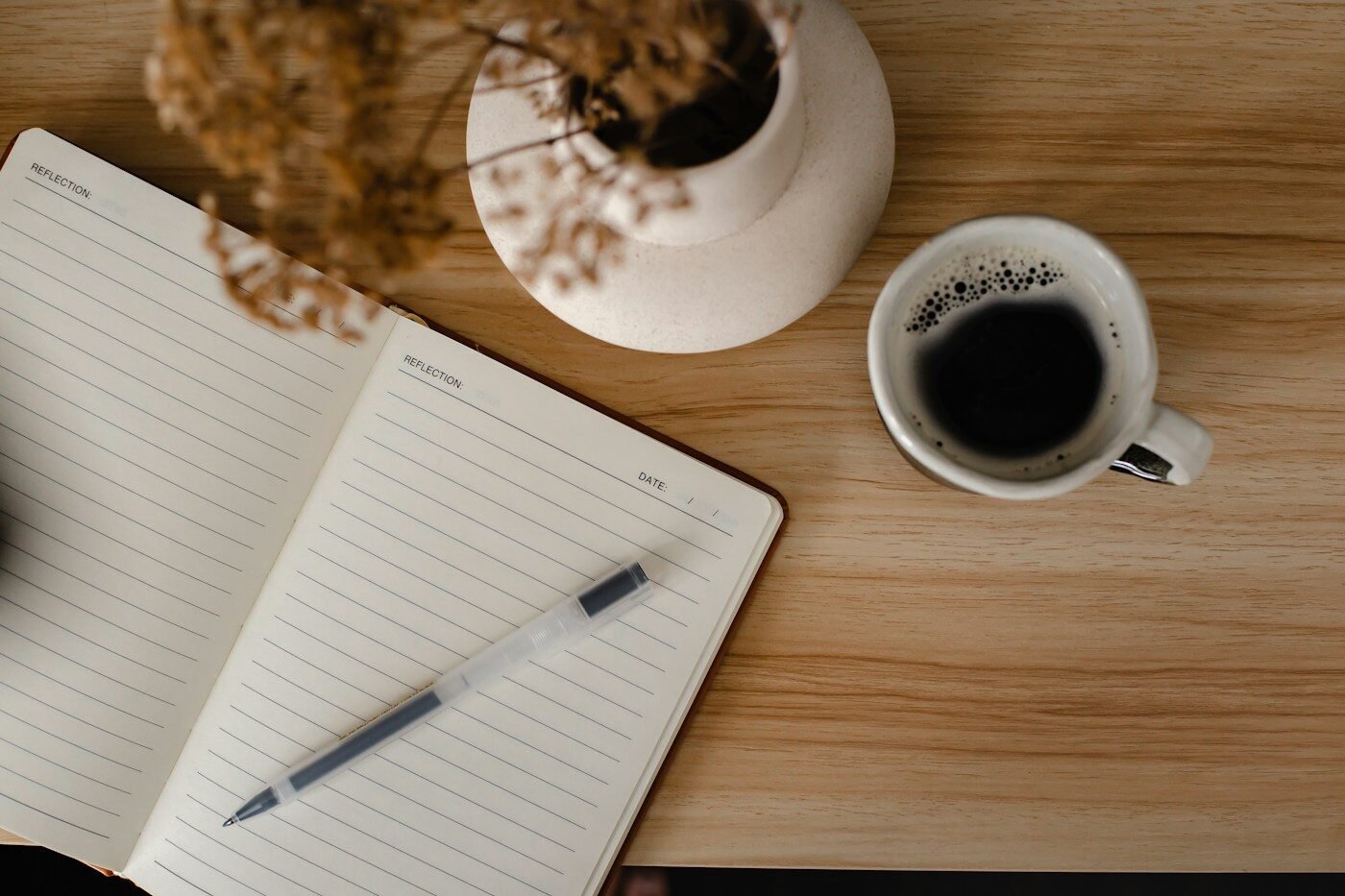
Gratitude has become a wellness buzzword, printed on mugs and notebooks and repeated in social media posts until it can sound like a slogan. Underneath the marketing, though, there is genuine science. Psychologists have studied what happens when people deliberately notice and record what they are thankful for, and the findings are interesting: modest but real benefits for many people, along with some important limits. Here is what the research suggests, and how to build a gratitude practice that feels honest and not forced.
What gratitude actually is
Gratitude is the recognition that something good in your life came from outside yourself, whether from another person, from circumstances or from the world around you, and the appreciation that follows. It is more than politeness. It is a way of paying attention to what is already there, instead of focusing only on what is missing or going wrong.
Human minds are wired to notice problems. That bias once helped us survive, but today it can leave us dwelling on irritations and overlooking everyday good things. Gratitude practices gently counterbalance that habit.
What the research says
In well-known studies from the early 2000s, psychologists Robert Emmons and Michael McCullough asked some participants to write weekly lists of things they were grateful for, while others listed hassles or neutral events. The gratitude group reported feeling more optimistic and more satisfied with their lives. Martin Seligman and colleagues later found that writing and delivering a gratitude letter to someone who had helped them produced a noticeable boost in happiness, though the effect faded over weeks.
Later reviews, combining many studies, generally find small to moderate improvements in well-being, mood and relationships among people who practice gratitude. It is important to keep this in perspective.
- The effects are usually modest, not dramatic.
- Not every study finds a benefit, and results vary between people and cultures.
- Gratitude exercises are not a treatment for depression or anxiety, and they should not replace professional help.
- Participants in many studies were volunteers who chose to take part, which may influence results.
In short, gratitude is a helpful habit for many, not a cure for everything.
Why it might work
Researchers suggest several reasons.
- It shifts attention. Searching for good things trains your mind to notice them.
- It strengthens relationships. Thanking people makes them feel valued and encourages kindness in return.
- It counters comparison. Appreciating what you have can soften the urge to measure yourself against others.
- It prolongs good moments. Reflecting on a pleasant event lets you enjoy it a second time.
Four practices worth trying
1. The three good things
At the end of the day, write down three things that went well and a sentence on why. They can be tiny: a warm cup of tea, a kind message, a task finished. The “why” matters because it connects the good thing to your life or to other people.
2. The gratitude letter
Think of someone who made a difference to you and has never been properly thanked. Write a specific, sincere letter describing what they did and how it affected you. If you can, deliver it in person, by reading it aloud or handing it over. Even if you do not send it, writing it can be moving.
3. Mental subtraction
Imagine your life without something you value, such as a friend, a home, your health or a particular opportunity. Spending a minute on the absence can make the presence feel richer. Use this gently, and avoid dwelling on frightening possibilities.
4. Thank people in the moment
Say thank you, specifically and warmly, to the people who help you through the day: the shopkeeper, a colleague, a family member. A message that says “I appreciated how you handled that meeting” lands far better than a generic “thanks.”
Make it work for you
- Be specific. “I’m grateful for my sister, who called when I was tired” has more power than “I’m grateful for my family.”
- Focus on people. Appreciating people tends to feel richer than listing objects.
- Do not overdo it. Some research suggests that writing once or twice a week may be more effective than every day, because daily lists can become mechanical. Find a rhythm that stays fresh.
- Vary the format. Alternate between writing, speaking and quiet reflection.
- Link it to a routine, such as after dinner or before bed.
- Share it. Families can take turns naming one good thing at the dinner table.
Avoid toxic positivity
Gratitude does not mean pretending everything is fine. You can be thankful for the support of a friend and still be sad about a loss. You can appreciate your job and still want change. Gratitude should sit alongside honest emotions, not replace them. Be cautious about telling others, or yourself, to “just be grateful” when they are struggling. That can feel dismissive. If a practice makes you feel guilty or worse, adjust or pause it.
Gratitude in hard times
During difficult periods, big gratitude feels out of reach. Start smaller: a bed to sleep in, a text from a friend, a meal, a moment of calm. Small acknowledgments can provide a steadying thread without denying the pain. If low mood persists, talk to a trusted person or a health professional. This article is general information and not medical advice.
Frequently asked questions
How long before I notice a benefit?
Some people feel a lift within a few weeks of regular practice. Others notice subtle changes over longer periods, and some do not find it helpful.
Do I need a special journal?
No. Any notebook, a notes app or a few spoken words will do.
What if I run out of things to write?
Look for details: a person’s small kindness, something that worked, a simple pleasure. Looking for new angles is part of the benefit.
Can children practice gratitude?
Yes. Simple routines, such as naming something they enjoyed that day, build the habit gently without pressure.
A small daily habit
Gratitude will not solve every problem, but it can help you notice the good that is already present and strengthen the bonds that matter most. Try writing three specific things tonight, or send one sincere thank-you message tomorrow. Keep what helps, drop what does not and let the habit stay light.