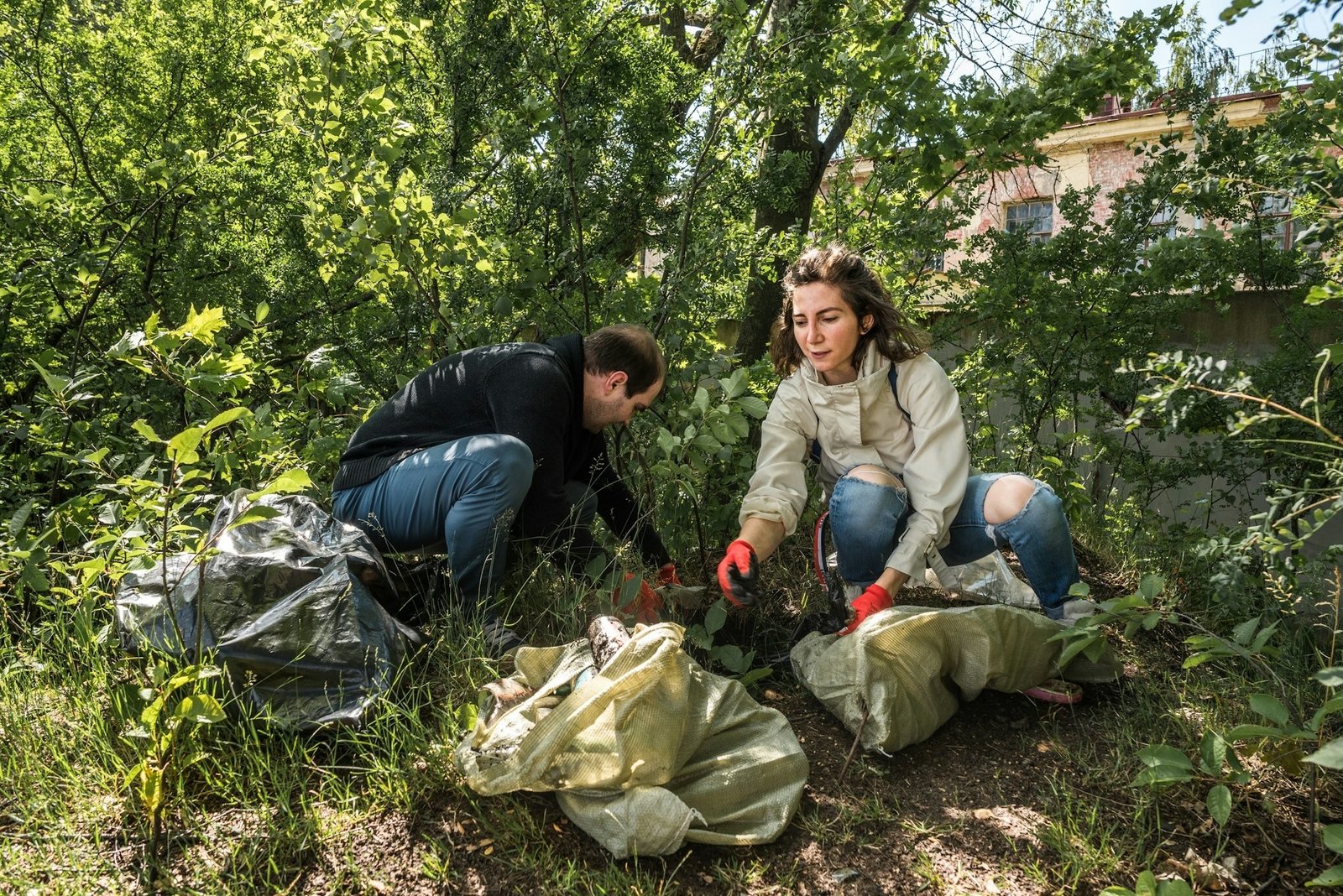


A large share of what we throw away every day is food scraps and garden waste: peels, coffee grounds, eggshells, wilted leaves, dry twigs. In a landfill, this material is buried without much air, where it breaks down slowly and releases methane, a potent greenhouse gas. In a compost heap, bin or worm box, the same material turns into dark, crumbly, sweet-smelling soil that feeds plants. Composting is one of the simplest ways to cut household waste, and it works as well on a small balcony as in a large backyard.
What composting really is
Composting is controlled decomposition. Billions of microorganisms, along with worms, insects and other small creatures, eat organic matter and turn it into humus, a stable, nutrient-rich material. You do not make compost yourself, you simply give the decomposers what they need: food, air, moisture and time. If you provide the right conditions, the process happens on its own.
The four things a compost pile needs
- Greens (nitrogen-rich materials). These are usually fresh, moist and soft: vegetable and fruit scraps, coffee grounds, tea leaves, fresh grass clippings.
- Browns (carbon-rich materials). These are usually dry and woody: dry leaves, straw, shredded cardboard, paper, sawdust from untreated wood, small twigs.
- Air. Decomposers that work fastest need oxygen. Turning the pile or including bulky, airy materials keeps air flowing.
- Moisture. The pile should be as damp as a wrung-out sponge. Too dry and it stalls, too wet and it turns smelly.
A common rule of thumb is about two to three parts browns to one part greens by volume. This is a guide, not an exact formula. If the pile smells sour or looks slimy, add more browns. If it seems dry and nothing is happening, add some greens and a little water.
What to put in
Good for compost
- Fruit and vegetable scraps, including peels and cores
- Coffee grounds and paper filters
- Tea bags without plastic (check that the bag is compostable)
- Eggshells, crushed
- Dry leaves, straw and small garden trimmings
- Shredded plain paper and cardboard
- Grass clippings in thin layers
Leave out of a home compost
- Meat, fish and bones, which attract pests and smell as they rot
- Dairy products and greasy leftovers
- Cooking oils and fats
- Pet waste, which can carry harmful germs
- Diseased plants and persistent weeds with seeds
- Glossy, coated or heavily printed paper
- Anything treated with chemicals, such as sawdust from treated wood
Citrus peels and onions in small amounts are fine in most piles, though large quantities can slow worm bins.
Choose a method that fits your space
Backyard heap or bin
If you have a yard, the classic approach is simple. Choose a shaded, well-drained spot, set up an open pile, a wooden bin or a plastic container with ventilation and build layers of browns and greens. Chop larger items into smaller pieces, since smaller pieces decompose faster. Mix or turn the pile every week or two to bring in air. A well-managed pile can heat up inside, reaching temperatures around 55 to 65 degrees Celsius, which speeds decomposition and helps break down many weed seeds and pathogens. Finished compost typically takes a few months to a year, depending on conditions.
Compost tumbler
A tumbler is a closed, rotating drum that makes turning easy and keeps pests out. It suits small gardens, but it must be loaded with a good mix of greens and browns and kept moist.
Worm composting (vermicomposting)
Worm bins are perfect for balconies, kitchens and small flats. A ventilated container holds bedding, such as shredded paper or cardboard, and special composting worms, usually red wigglers, which are different from common garden earthworms. The worms eat kitchen scraps and produce a rich material called worm castings. Keep the bin damp and in a spot where temperatures stay moderate, out of direct sun and frost. Feed in small amounts, and avoid meat, dairy, oily food and large amounts of citrus or onion. A well-run worm bin has little odor.
Bokashi
Bokashi is a method that ferments food waste in an airtight bucket using a special inoculated bran. It can handle a wider range of kitchen scraps, including small amounts of cooked food, and it works in small spaces. The result is pre-compost, which still needs to be buried in soil or added to a compost pile to finish breaking down. The bucket also produces a liquid that can be diluted and used as a plant feed.
Community and municipal schemes
If you have no space at all, look for local community compost sites, neighborhood drop-off points or municipal collection of food scraps. Some community gardens welcome contributions of kitchen waste.
Step-by-step: starting a small bin
- Pick the container and location. A bin with a lid and drainage holes, placed in a shady, accessible spot.
- Add a base layer. Start with twigs or a coarse brown layer to let air circulate and drainage flow.
- Add materials in layers. Alternate greens and browns, with a little soil or finished compost to introduce microorganisms.
- Chop and bury. Cut scraps into small pieces and tuck fresh food under a layer of browns to reduce odors and flies.
- Check moisture. The material should feel like a damp sponge. Add water or dry browns as needed.
- Turn regularly. Mix every one to two weeks to introduce oxygen.
- Wait and watch. When the material is dark, crumbly and smells like forest soil, with no recognizable scraps, it is ready.
Fixing common problems
- It smells bad. Usually too wet or too many greens. Add dry browns, mix well and improve airflow.
- Nothing is happening. The pile may be too dry, too cold or too heavy in browns. Add greens and water, and turn it.
- Flies or fruit flies. Bury food scraps under browns, keep the lid on and avoid meat and dairy.
- Animals visiting. Use a closed bin or tumbler and avoid foods that attract pests.
- Too many worms or ants. Ants often signal dryness, so add moisture. A few insects are normal.
- Slimy material. It lacks air. Add shredded cardboard and mix thoroughly.
Using the finished compost
Compost improves almost any soil. It adds nutrients, helps sandy soil hold water and loosens heavy soil so roots can breathe.
- Mix a few centimeters into garden beds before planting.
- Spread a thin layer around plants as a top-dressing or mulch.
- Blend it with potting soil for containers, using up to about a third compost.
- Sprinkle it on lawns as a light feed.
Let compost mature fully before using it on seedlings, as immature compost can harm young plants.
Why it matters
Composting keeps organic material out of landfill, reduces methane emissions, cuts the volume of household waste and returns nutrients to the soil, closing a natural loop. It also reduces the need for bagged fertilizers and soil conditioners. For many people it becomes a satisfying habit that changes how they think about waste altogether.
Frequently asked questions
Will composting make my home smell?
A balanced bin should have an earthy smell at most. Strong odors usually mean too much moisture or too many greens, and they are easy to fix.
How long does composting take?
Anywhere from a couple of months in a well-managed, hot pile to a year or more in a cool, passive heap.
Can I compost on a balcony?
Yes. Worm bins and bokashi buckets are ideal for small spaces, and a closed container keeps pests out.
Can I compost cooked food?
Small amounts of plain cooked vegetables and grains are usually fine in a hot pile or bokashi bin. Avoid oily, meaty or dairy-rich leftovers in standard home compost.
Do I need to buy special starters or activators?
Not usually. A scoop of finished compost or garden soil is enough to introduce the microorganisms.
Start with a bucket
You do not need a perfect system to begin. Keep a small container in the kitchen for scraps, choose a method that suits your space and learn from the first batch. Within a few months, you will have something you cannot buy in a shop: nourishing soil made from yesterday’s waste. Every peel diverted from the bin is a small step toward a more circular way of living.