


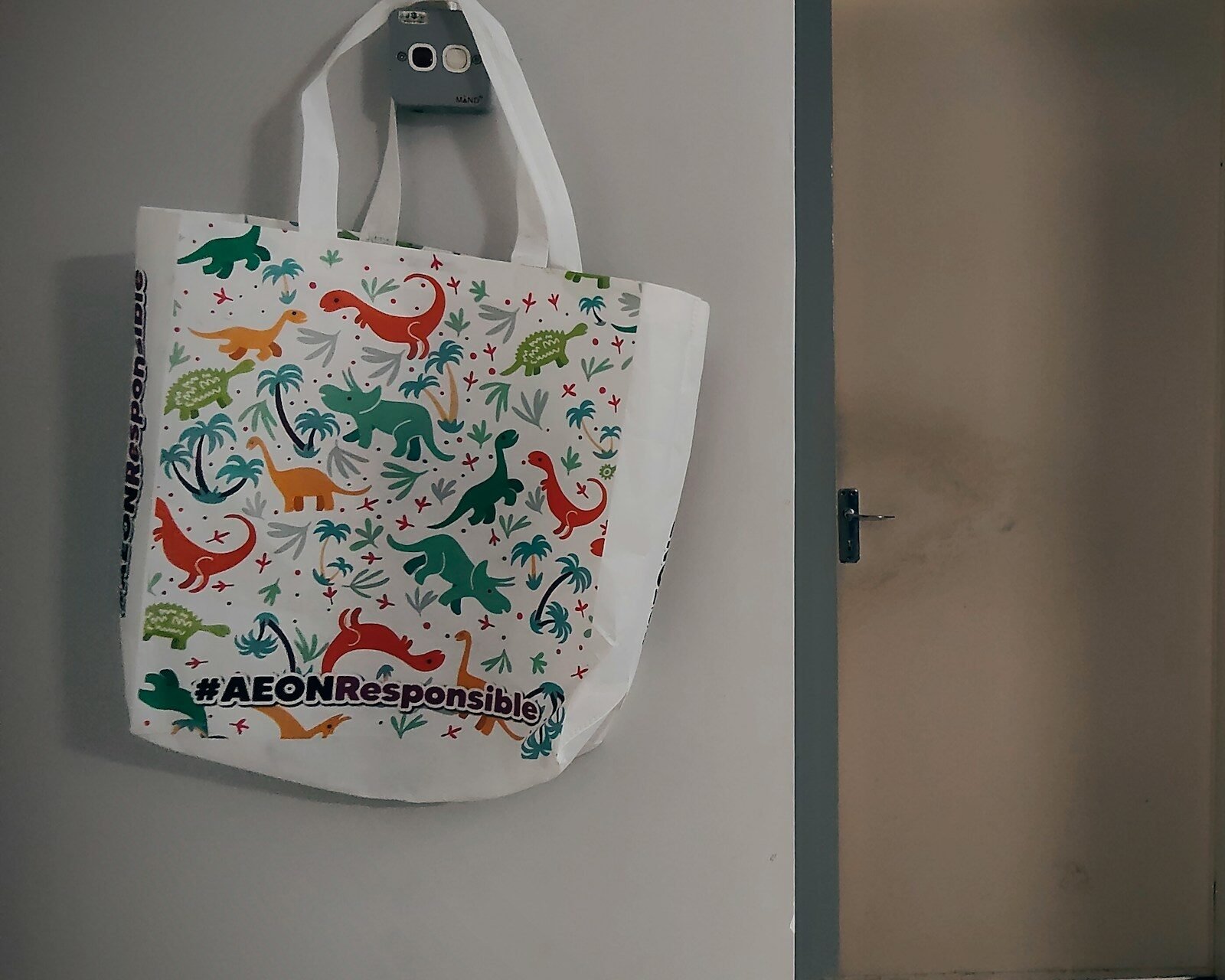
Walk down any supermarket aisle and you are surrounded by green. Leaves on packaging, earth-toned labels, words such as natural, eco, planet-friendly and conscious. Many shoppers genuinely want to make better choices, and companies know it. The trouble is that a label can be designed to look responsible without being so. This gap between how green something appears and how green it actually is has a name: greenwashing. Learning to spot it does not require a science degree. It requires a few good questions and the habit of looking past the leaf.
Where the term comes from
The word greenwashing is generally credited to environmentalist Jay Westerveld, who used it in an essay in the 1980s after noticing a hotel encouraging guests to reuse towels “to save the environment” while doing little else to reduce its footprint. Since then, the term has grown to describe any situation where an organization gives a misleading impression of its environmental performance or the environmental benefits of a product.
Not every green claim is greenwashing, and not every company that makes imperfect claims is acting in bad faith. Some businesses are making real improvements, and mistakes in communication happen. But the incentive to look green is strong, and consumers deserve clear and honest information.
Common greenwashing tactics
Environmental marketing researchers have identified recurring patterns. One well-known framework, developed by a consulting firm in the late 2000s, described several “sins.” Here are the main ones in everyday language.
1. Vague words
Terms such as “natural,” “eco-friendly,” “green,” “planet-friendly” and “kind to nature” sound good but mean little unless explained. “Natural” does not mean safe or sustainable, since arsenic and many other harmful substances are natural. If a claim does not say what exactly is better and compared with what, it is not very useful.
2. Hidden trade-offs
A product may highlight one green feature while ignoring bigger impacts. A “paper” cup lined with plastic, a “recycled” product made in a highly polluting process or an “organic” item flown across the world all focus on one aspect and skip the rest.
3. No proof
Claims that cannot be checked, such as “100% sustainable” without data, certification or a link to evidence, deserve caution. A trustworthy claim should be supported by accessible information.
4. Irrelevant claims
Some products boast about features that are true but meaningless, such as advertising a product as free of a substance that is already banned or was never used in that kind of product.
5. The lesser of two evils
Calling a harmful product “eco” because it is slightly better than others in its category can distract from the larger problem. An “organic” cigarette or a “green” gas-guzzling vehicle may be marginally better than a standard version without being good for the planet.
6. Outright falsehoods
Some claims are simply untrue, such as stating that a product has an environmental certification it does not hold or using fake labels designed to look official.
7. Worshipping false labels
Packaging that uses invented badges, seals or imagery that suggest independent approval when none exists. Green leaves, globes and official-looking stamps can create an impression of endorsement, without any real verification behind them.
Words and phrases that deserve a second look
- “Biodegradable.” Almost everything biodegrades eventually, so the question is how long it takes and under what conditions. Look for specifics about timeframe and environment.
- “Compostable.” Many compostable products only break down in industrial composting facilities, not in a home compost bin or in nature, and such facilities are not available everywhere.
- “Recyclable.” A product may be technically recyclable but not accepted by local collection systems, or may rarely be recycled in practice. Check what your area actually collects.
- “Recycled.” Look for the percentage of recycled content and whether it refers to the product or just the packaging.
- “Carbon neutral” or “net zero.” These claims can be legitimate, but they vary in meaning. Check whether the company reduced emissions first, how offsets are used and whether independent standards were applied.
- “Chemical-free.” Everything, including water, is made of chemicals. The phrase is scientifically meaningless unless a specific substance is named.
- “Sustainably sourced.” Ask by whom, according to what standard and with what verification.
- “Conscious” or “responsible” collections. These marketing terms often refer to a small part of a range, not the whole company.
Real labels versus empty ones
Genuine environmental certifications are usually run by independent organizations, have published criteria and involve outside checking, often with periodic audits. Examples of widely recognized schemes include the following, although the exact meaning and strictness of each differs, and you should check what a label does and does not cover.
- Forestry certification for wood and paper products, such as FSC.
- Organic certifications for food and for textiles, such as GOTS for organic textiles.
- Fair trade and social standards that address labor conditions and sourcing.
- Energy efficiency labels on appliances, which allow you to compare running costs and consumption.
- Official ecolabels run by governments or public bodies, such as the EU Ecolabel.
- Sustainable seafood labels, such as MSC for wild-caught fish.
Be cautious about labels that a company has created itself, with no independent verification. A self-made badge is not necessarily dishonest, but it does not carry the same weight.
A simple checklist for shoppers
- Is the claim specific? Does it say exactly what is better, such as “made with 80% recycled plastic,” not “eco-friendly”?
- Is it relevant? Does it address the product’s main environmental impact, or a minor detail?
- Can it be checked? Is there a certification, a report or a way to find evidence?
- Who says so? Is it an independent body or the company itself?
- What is left out? Does the claim ignore transport, packaging, energy use or disposal?
- Does the company’s wider behavior fit? A brand advertising one green product while its main business remains harmful deserves scrutiny.
- Do I actually need this? The most sustainable product is often the one you do not buy.
The bigger picture: buy less, buy better
Green labels can help guide choices, but they cannot make overconsumption sustainable. A product made from recycled materials is still a product that consumes energy, water and resources. Repairing what you own, buying second-hand, borrowing and sharing, and choosing durable items usually reduce impact far more than switching to a “greener” version of something you did not need.
Rules and accountability
Regulators in many countries are tightening rules on environmental claims. Consumer protection agencies and advertising authorities have challenged misleading statements, and new laws and guidelines have been introduced or proposed in several regions to require evidence and clarity for green claims. Rules differ widely by country and change over time, so check current guidance from your local consumer authority if you want to report a suspect claim or understand your rights.
Be skeptical, not cynical
It is easy to become so distrustful that every green claim seems like a trick. That would be unfair to the many people and businesses doing real work, and it can discourage the very improvements we want. The goal is to be a discerning reader: curious, specific and willing to reward clear, honest efforts. Companies that publish detailed data, set measurable targets, accept independent checking and admit where they fall short are usually more credible than those with glossy slogans.
Frequently asked questions
Is greenwashing always intentional?
Not always. Some cases come from poor communication or misunderstanding. Whatever the intent, vague or misleading claims make it harder for people to make informed choices.
Are certified products always the best choice?
They are usually more reliable than unverified claims, but certifications differ in strictness and scope. Look at what the label actually covers.
How can I check if a company’s claim is true?
Look for specific data, independent certification and published reports. Search for the company’s environmental targets and track record, and check reliable consumer organizations.
What does “carbon neutral” really mean?
Usually that a company balances its emissions with reductions or offsets. The quality and honesty of these measures vary, so look for transparency about how the claim is calculated.
What if I cannot verify a claim?
Treat it as unproven. Choose products with clear, checkable information, or choose less, reuse more and repair what you have.
Reading between the leaves
Greenwashing thrives where people are busy and information is thin. A few seconds of attention, such as looking for specifics, evidence and independent verification, can reveal which claims hold up and which are decoration. Better still, ask what you really need and buy fewer, longer-lasting things. In a marketplace full of green leaves, the most sustainable choice is often the quietest one.