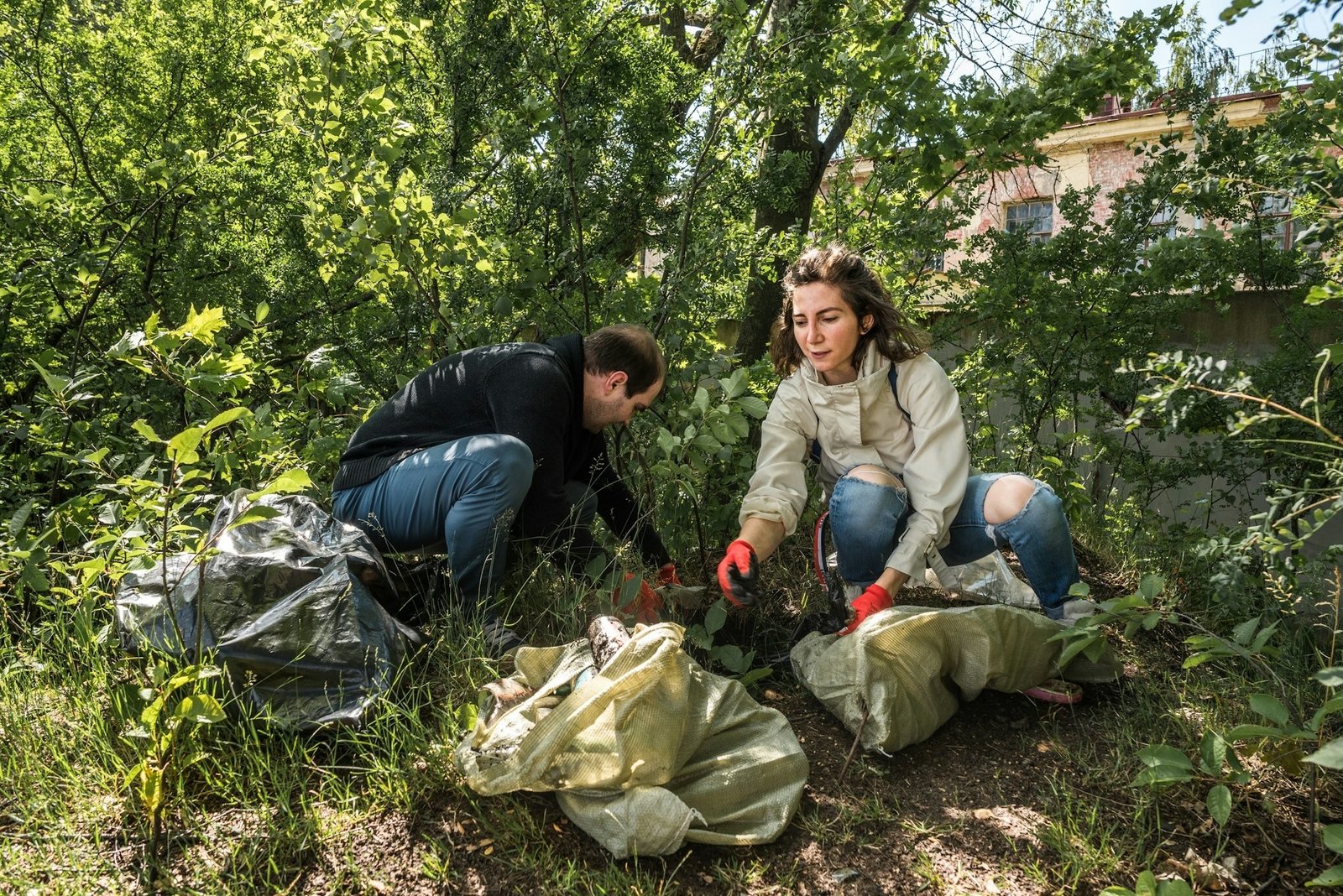


“Plant a tree” may be the most popular slogan in environmental campaigning, and it is easy to see why. Trees absorb carbon dioxide, shade streets, shelter wildlife, hold soil in place and look lovely. Many people feel good after planting one, and communities, companies and governments around the world have launched ambitious tree-planting pledges. But anyone who has watched a sapling wither in a dry summer knows that putting a tree in the ground is the easy part. Real reforestation, the kind that restores a living forest, takes far more than a spade and a good intention.
Planting is not the same as growing
The key distinction is between trees planted and trees that survive and thrive for decades. A tree that dies within two years has stored almost no carbon, supported little wildlife and wasted the money and effort that went into it. Some studies of large planting campaigns have reported disappointing survival rates, especially where trees were planted and then left unattended, although results differ greatly from project to project. Success depends on what happens after planting: watering, protection from grazing, weeding, replacing dead seedlings and monitoring over many years.
The right tree in the right place
Ecologists often summarize good practice as “the right tree in the right place for the right reason.” Each part carries a warning.
The right tree
Species matter. Native species, which evolved in the local climate and soil, tend to support local wildlife and resist local pests better than imported ones. Fast-growing exotic trees planted in rows can produce timber or quick shade, but they may use large amounts of water, support few other species and be vulnerable to disease or fire. A forest planted as a single species is called a monoculture, and it tends to be less resilient than a mixed woodland.
The right place
Not every open landscape is a failed forest waiting to be restored. Natural grasslands, savannas, peat bogs and wetlands are ecosystems in their own right, and planting trees on them can damage their wildlife, alter water flow and even release stored carbon. Reforestation should target land that was truly forest before, or land that is degraded and suitable for tree cover.
The right reason
A planting project can aim to restore habitat, stabilize soil, provide timber or fuel, protect a watershed, produce food or shade a village. Clear goals shape every decision, from species choice to layout to management. A project without a goal is difficult to judge.
Protecting what exists comes first
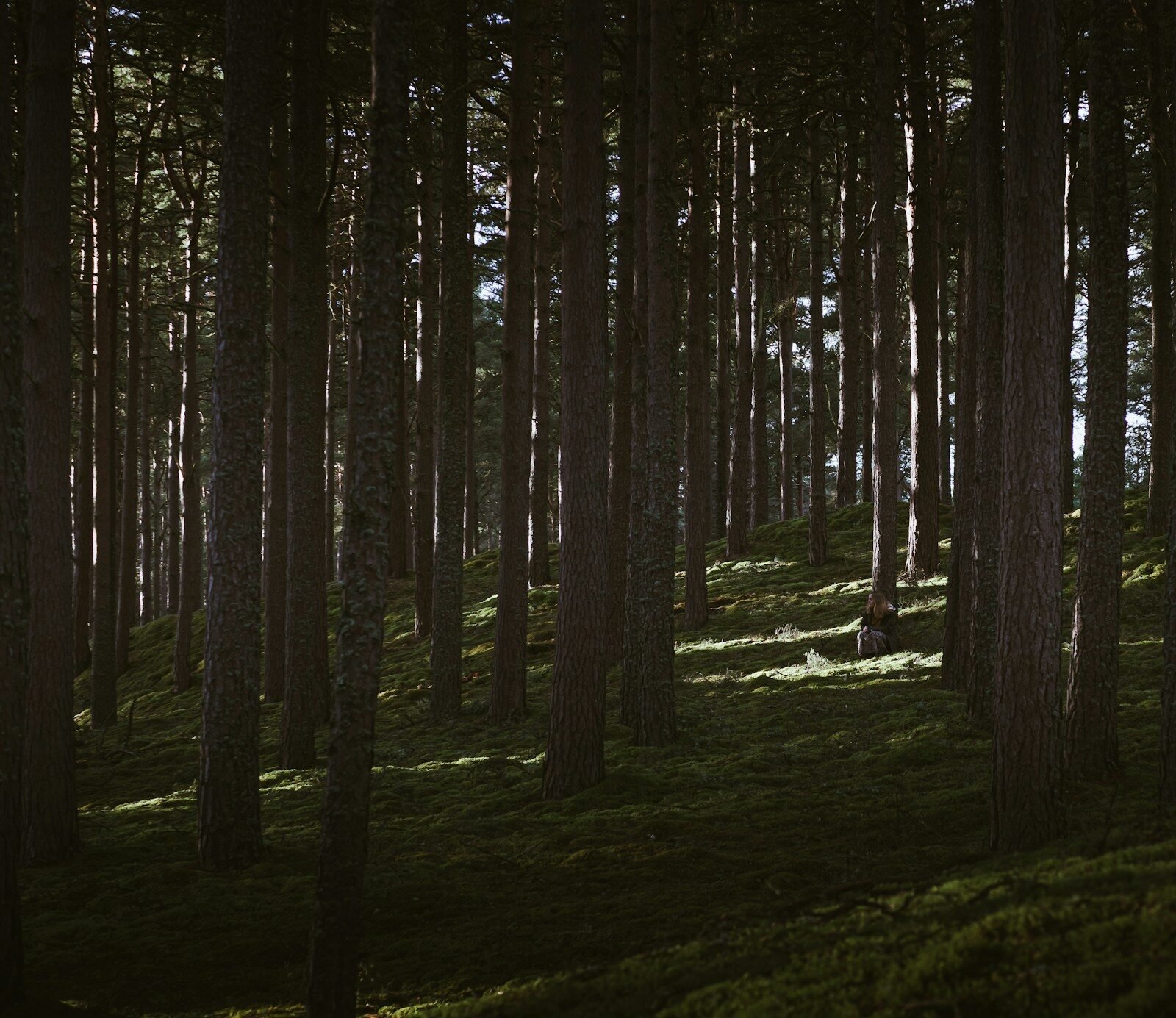
Old, intact forests store far more carbon and shelter far more species than newly planted ones, and they cannot be replaced quickly. A mature forest may take many decades or centuries to develop its structure, soils and web of life. That makes protecting existing forests one of the most effective forms of climate and biodiversity action, and planting new trees is no substitute for stopping the loss of old ones.
Let nature do some of the work
In many places, forests will regrow on their own if the pressures that stopped them are removed. This is called natural regeneration. If grazing animals, fires or farming are kept out of an area, seeds already in the soil or carried by wind and animals can bring back vegetation, often at lower cost and with greater diversity than planting. Sometimes the best approach combines both: protecting an area to let nature recover, and planting in gaps or with key species that will not return on their own.
Assisted natural regeneration, where people support existing young trees by clearing competing weeds or protecting them from browsing, can be particularly cost-effective in suitable places.
Local people make or break a project
Trees grow on land that someone owns, uses or depends on. Projects that ignore local needs often fail, because people who rely on the land for grazing, fuel or farming may have little reason to protect new trees. Successful projects tend to involve communities from the start, secure their land rights and offer real benefits such as income, fruit, fodder or timber that can be harvested sustainably.
In Morocco, for example, the argan woodland of the southwest is a remarkable case in which a native tree provides oil, fodder and shelter, supports rural livelihoods and has been recognized internationally as a biosphere reserve. Its survival depends on the people who use it as much as on any plan written elsewhere. Large international efforts such as the Great Green Wall initiative across Africa’s Sahel have also shown that ambitious targets must be matched by long-term local support, water and care to deliver lasting results.
The challenges of the long haul
- Water. Young trees in dry climates may need irrigation for several years, and poor choices of species can strain local water supplies.
- Grazing and browsing. Goats, sheep and cattle can destroy seedlings quickly if the site is not protected.
- Fire, pests and disease. Monocultures and drought-stressed trees can be especially vulnerable.
- Funding that ends too early. Many projects are funded for planting but not maintenance.
- Seed sources. Using seeds from local, well-adapted parent trees matters, especially as the climate changes.
- Climate change. Drought, heat and shifting rainfall make future conditions harder to predict.
Be careful with carbon claims
Trees do absorb carbon as they grow, but the amount depends on species, location, growth rate and survival. Planting cannot cancel out emissions on a one-to-one basis, and counting stored carbon is difficult. Claims about carbon offsets based on tree planting deserve careful scrutiny, since forests can burn, be cut down or die from drought, releasing carbon again. Reducing emissions at the source remains essential, and trees are best seen as one part of the solution, not a replacement for cutting pollution.
What good reforestation looks like
- Clear goals for ecology, community and climate.
- Suitable sites, chosen after assessing what the land was and what it needs.
- A diverse mix of native species, with a variety of ages and structures.
- Local involvement, including fair benefit sharing and secure land rights.
- Long-term care, with funds and responsibility for watering, protection and replacing losses.
- Monitoring and honesty, tracking survival and growth, and reporting failures as well as successes.
What you can do
- Protect trees that already exist in your neighborhood, school, park and region.
- Plant carefully at home. Choose native or well-adapted species, give them space, water them in the first seasons and protect them from damage.
- Support reputable organizations. Look for groups that publish survival data, work with local communities and commit to long-term care.
- Ask questions about tree-planting pledges. How many trees survived? Which species? Who maintains them?
- Reduce demand for products linked to deforestation, such as unsustainable timber, palm oil and beef from cleared land, where you can.
- Join local planting events, but ask what happens after the event ends.
Frequently asked questions
Is planting trees good for the climate?
It can help when done well, in the right places with the right species and long-term care. It is not a substitute for reducing emissions or protecting existing forests.
What is the difference between reforestation and afforestation?
Reforestation restores forest to land that was forested in the past. Afforestation establishes forest on land that has not recently been forested, which needs particular care to avoid harming other ecosystems.
How long does a planted forest take to mature?
Decades to centuries, depending on the type. The benefits build gradually, which is why survival and protection are so important.
Why do so many planted trees die?
Common causes include drought, grazing, poor species choices, lack of care and unsuitable sites.
Are tree-planting apps and online offers trustworthy?
Some are, and some are not. Look for transparency about locations, species, survival monitoring and partnerships with local communities.
Beyond the photo of the planting day
A tree planted today is a promise to look after it tomorrow. The best reforestation projects treat planting as the beginning of a long relationship between people, land and forest. If you want to help, ask the harder questions, support work that lasts and care for the trees that are already growing near you. A healthy forest is not a number on a poster, it is a living community that needs time, protection and local hands to flourish.