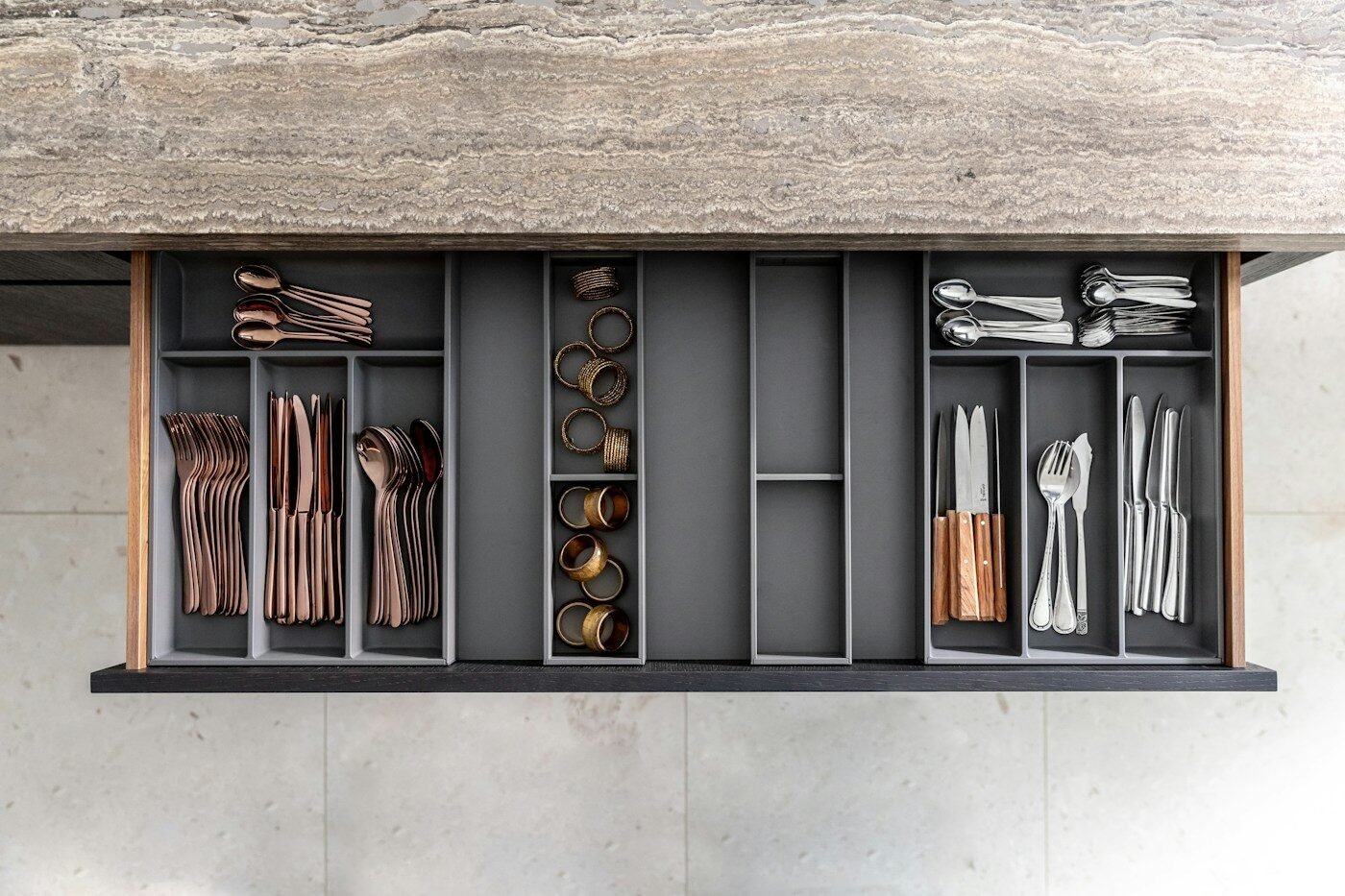


Hosting should be a pleasure, yet many of us dread it. We imagine spending the whole day in the kitchen, missing our own party and serving food that is cold, late or half-finished. The secret of relaxed hosts is not cooking talent. It is planning. A good menu is one you can mostly prepare before the doorbell rings, so that when guests arrive, you can sit down, pour the tea and enjoy their company. Here is a simple way to build a menu that works, whether you are cooking for four or fourteen.
Start with the people, not the recipes
Before choosing a single dish, think about who is coming.
- Dietary needs and restrictions. Ask in advance about allergies, religious or cultural food rules, vegetarians and anyone who avoids certain ingredients. Plan so that everyone has plenty to eat, and label dishes if helpful.
- Ages and tastes. Children and older guests may prefer milder flavors and softer textures.
- The occasion. A casual lunch, a family dinner and a celebration call for different levels of effort.
- Your own limits. Be honest about time, budget, kitchen space and energy.
The golden rules of a stress-free menu
- Cook what you know. A dinner party is not the time to test an ambitious new recipe. Choose dishes you have made before, or try a new one once beforehand.
- Limit last-minute cooking. Aim for at most one dish that needs attention while guests are there.
- Choose make-ahead dishes. Many foods improve with time, such as stews, soups, marinated vegetables and cakes.
- Balance the menu. Mix textures, colors and temperatures, with something fresh, something rich and something light.
- Keep the number of dishes sensible. A starter, a main, two sides and a dessert are plenty.
- Use your oven and stove wisely. Do not plan three dishes that all need the oven at different temperatures at the same time.
A simple menu formula
The starter: cold and ready
Pick something that can be made hours or a day ahead. Good options include a lentil or vegetable soup that reheats gently, a platter of dips with bread and raw vegetables, olives and cheese, or a fresh salad with the dressing kept separate until serving.
The main: one pot or one tray
Choose a dish that cooks itself or can be reheated, such as a slow-cooked chicken or lamb stew, a baked rice dish, roasted chicken with vegetables, or a hearty vegetable and chickpea tagine. These need little attention once they are in the oven, and many taste better the next day.
The sides: simple and colorful
Offer two easy sides, such as roasted seasonal vegetables, a green salad, couscous, rice or a grain salad. Dishes served at room temperature are ideal, since they do not need last-minute timing.
The dessert: made ahead or assembled
Choose something that sits happily in the refrigerator or on the counter: a cake, baked fruit, a milk pudding, a tray of pastries, fresh fruit with honey and nuts, or a store-bought treat you plate attractively. There is no shame in buying part of the meal.
The drinks
Mint tea or coffee, chilled water with lemon or cucumber, fruit juices, homemade lemonade or flavored sparkling water make a refreshing selection. Offer a jug of water at the table, and make sure a warm drink is ready for the end of the meal.
How much to make
Quantities vary with appetite and the number of dishes, but these rough guides can help.
- Starter: light, about a few bites or a small bowl each.
- Main protein: around 150 to 200 grams of meat, poultry or fish per adult, or a generous portion of beans or lentils for vegetarian mains.
- Rice, couscous or other grains: roughly 60 to 80 grams uncooked per person.
- Vegetables and sides: about 150 to 200 grams per person, with more if there are few other dishes.
- Dessert: one portion each, plus a little extra.
It is better to make slightly too much than too little, but resist cooking enough for twice the number of guests.
A countdown plan
One week ahead
- Confirm the guest list and dietary needs.
- Choose your menu and write the recipes in one place.
- Make a shopping list in two parts: items that keep and fresh items.
Three days ahead
- Buy non-perishables and drinks.
- Check your serving dishes, cutlery and glasses, and borrow what you lack.
- Clean areas where guests will be.
Two days ahead
- Shop for fresh ingredients.
- Prepare sauces, dressings and anything that keeps well.
The day before
- Cook the main dish and the dessert if they improve with time.
- Chop vegetables, wash salad leaves and store them in the refrigerator.
- Set the table.
On the day
- Reheat or finish the main dish.
- Assemble salads and starters shortly before serving.
- Take a few minutes for yourself before the doorbell rings.
Setting the scene
- A clean, uncluttered space matters more than expensive decorations.
- Light is the cheapest decoration. Soft lamps and a few candles or fairy lights create warmth.
- Make sure there are enough seats and clear table space.
- Think about a corner for coats and bags.
- Have tea and coffee supplies ready, with clean cups.
Ask for help, and accept it
Guests often want to contribute. If someone offers to bring a dessert or a salad, say yes, and suggest something specific. Family members can take on jobs such as pouring drinks, clearing plates or looking after children. Good hospitality does not require doing everything alone.
Common mistakes
- Choosing too many dishes that need attention at the last minute.
- Forgetting dietary needs until the guests arrive.
- Serving the meal very late, leaving guests hungry and tired.
- Apologizing constantly. Guests are there for your company.
- Skipping the leftovers plan. Have containers ready so guests can take some home.
Frequently asked questions
What if someone brings an unexpected extra guest?
Make slightly more than you need and stay flexible. Good soups, rice and bread stretch easily.
How early should I start cooking?
Prepare as much as possible the day before. Dishes that improve overnight are the best friends of a relaxed host.
Is it rude to serve store-bought food?
Not at all. Many hosts buy bread, sweets or a starter. Presentation and warmth matter most.
How do I keep food warm?
Use a low oven, covered dishes, a thermal bag or insulated containers, and avoid holding food for too long.
Welcome, and enjoy it
A good meal for guests is simple, generous and mostly done before they arrive. Choose dishes you trust, prepare ahead and keep the plan flexible. Then step out of the kitchen, sit down and enjoy the people at your table. That is what they came for.