

For most of history, wetlands had a poor reputation. They were seen as wasteland: soggy, buggy, unproductive places to be drained, filled and built upon. Marshes became farmland, swamps became suburbs and mangrove forests became shrimp ponds. We are now discovering the cost of that thinking. As storms grow stronger, sea levels rise and floods become more frequent in many regions, wetlands and coastal forests are turning out to be some of the most effective and affordable protection a community can have. They are living infrastructure that works around the clock, and they cost far less to maintain than concrete.
What wetlands are
A wetland is any area where water covers the soil or stays near the surface for much of the year. The category is broad.
- Marshes: open areas dominated by grasses, reeds and similar plants, freshwater or salty.
- Swamps: wetlands dominated by trees and shrubs.
- Peatlands: waterlogged areas where partly decayed plants build up as peat over thousands of years.
- Estuaries and lagoons: places where rivers meet the sea and fresh and salt water mix.
- Salt marshes: coastal wetlands flooded by tides, common in temperate regions.
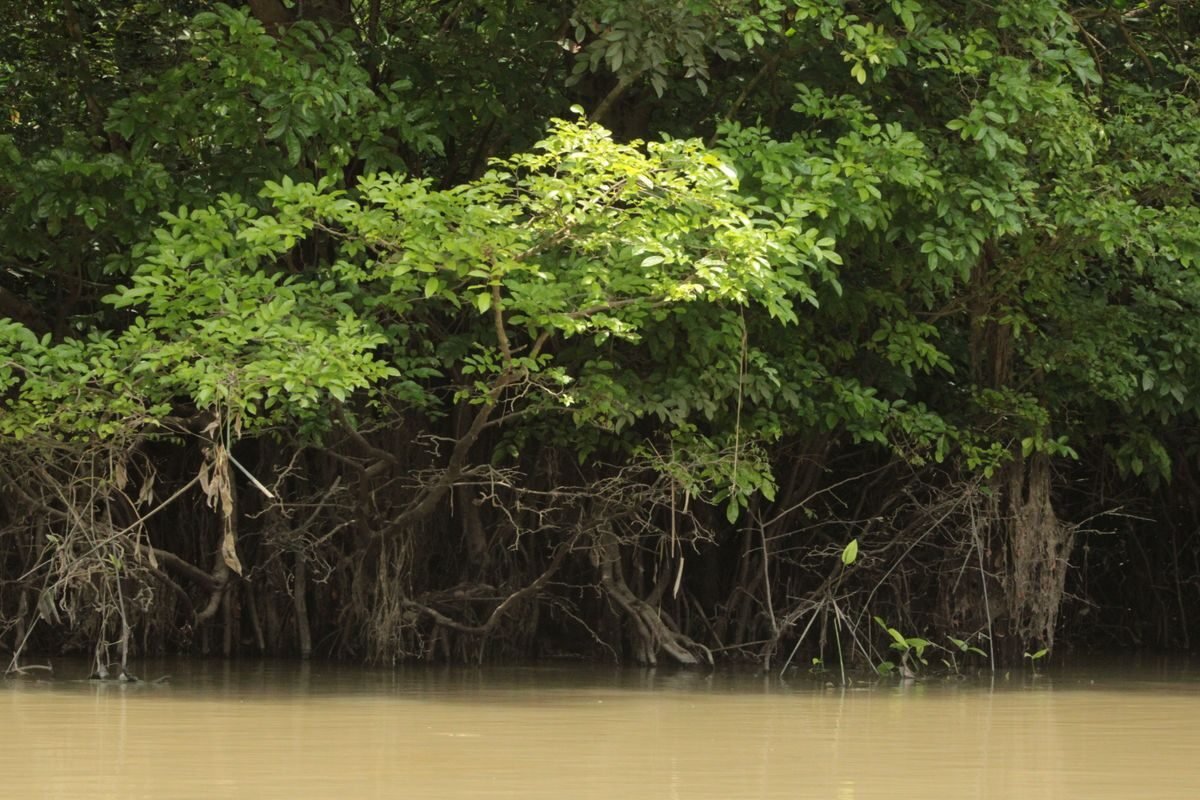
- Mangroves: forests of salt-tolerant trees growing in tropical and subtropical coastal waters.
Mangroves are found in warm regions of Asia, Africa, the Americas and Oceania, while many temperate coasts, including those around the Mediterranean and the Atlantic coast of Morocco, have lagoons, salt marshes and estuaries that serve similar protective roles.
How wetlands reduce flooding
They work like sponges
Wetland soils and vegetation can absorb large volumes of water during heavy rain or river overflow, then release it slowly. This lowers flood peaks downstream and spreads the flow of water over a longer time. A floodplain that is allowed to flood naturally can protect the towns below it.
They slow the flow
Dense vegetation creates friction that slows moving water, reducing its power and its ability to erode. Slower water also drops sediment, which can build up land and raise surfaces over time.
They provide space for water
Rivers need room to spread when they swell. Wetlands and floodplains offer that space. When we build walls to keep rivers in narrow channels, we may protect one place while making flooding worse downstream.
How coastal wetlands buffer storms
Coastal wetlands such as mangroves, salt marshes and seagrass beds act as natural shock absorbers against waves and storm surges.
- Roots and trunks dampen waves. The tangled roots of mangroves and the stems of marsh plants break up incoming waves and reduce their energy. Studies have found that wide belts of vegetation can significantly reduce wave heights, although the amount depends on the width and density of the vegetation, the depth of water and the size of the storm.
- They hold the shoreline together. Roots bind soil, reducing erosion and helping the coast keep its shape.
- They can grow with the sea. As they trap sediment and add organic matter, healthy wetlands can build upward, keeping pace with moderate sea-level rise, something a fixed concrete wall cannot do.
It is important to be realistic. Wetlands do not stop the most extreme storms, and they work best as part of a wider strategy. But they can lower damage, reduce the cost of sea defenses and provide benefits that walls do not.
The extra benefits
This is where wetlands outshine purely engineered defenses. A concrete wall protects. A wetland protects and also does other jobs.
- Cleaner water. Wetland plants and soils trap sediments and absorb nutrients and some pollutants, improving water quality before it reaches rivers, lakes and coasts.
- Carbon storage. Mangroves, salt marshes, seagrasses and peatlands store large amounts of carbon, much of it in waterlogged soils. Carbon held in coastal ecosystems is often called blue carbon. Draining or destroying these ecosystems can release that carbon back into the atmosphere.
- Fish and food. Many fish and shellfish use wetlands as nurseries, so healthy wetlands support local fisheries and the people who depend on them.
- Biodiversity. Wetlands shelter birds, fish, reptiles, amphibians, insects and plants. Many migratory birds rely on wetlands as stopovers on long journeys.
- Livelihoods and culture. Fishing, reed harvesting, grazing, tourism and traditional crafts all rely on wetlands.
- Recreation and well-being. Birdwatching, walking and quiet time in nature offer value that is hard to put a price on.
How much have we lost?
Global assessments suggest that the world has lost roughly a third of its wetlands since the 1970s, and that losses have been faster than for forests. Mangroves have also declined in many regions, driven by clearing for shrimp farms, agriculture, ports and urban development, as well as pollution and changes in water flow. The reasons are usually economic: land is valuable, and the benefits of a standing wetland, such as flood protection, are shared and not always counted.
When wetlands are lost, the bill often arrives later: more severe flooding, more erosion, polluted water and lost fisheries.
Protecting and restoring wetlands
International and local efforts to protect wetlands have grown. The Ramsar Convention, an international agreement named after the Iranian city where it was signed in 1971, encourages countries to designate and wisely use important wetlands. Morocco, like many countries, has several Ramsar-listed sites, including coastal lagoons and estuaries that are important for migratory birds.
Restoration can bring back some of what has been lost. Examples include:
- Mangrove restoration. In several Asian and African coastal communities, local people have replanted mangroves to protect villages and revive fisheries. Success depends on choosing the right sites and species, restoring natural water flow and involving local people, as planting in the wrong place often fails.
- Making room for rivers. Some countries, such as the Netherlands, have moved dikes inland and lowered floodplains to give rivers more space, reducing flood risk while creating new natural areas.
- Restoring salt marshes. In places like northwest Europe, coastal defenses have been set back to let tidal marshes re-form in front of sea walls, reducing wave energy.
- Rewetting peatlands. Blocking drainage ditches helps peatlands recover and stops them from releasing carbon.
Natural and engineered solutions together
The best approach to flood and storm protection often combines both. Engineers speak of “green” infrastructure (natural systems such as wetlands) and “gray” infrastructure (walls, dikes, pumps and drains). Green solutions can be cheaper to maintain, can adapt to change and bring many extra benefits, while gray solutions provide strong, predictable protection in places where space is limited. Hybrid designs, such as a sea wall backed by a restored marsh, take advantage of each.
What individuals and communities can do
- Learn about nearby wetlands. Find out whether there is a river, lagoon, marsh or coastal wetland near you, and what protects it.
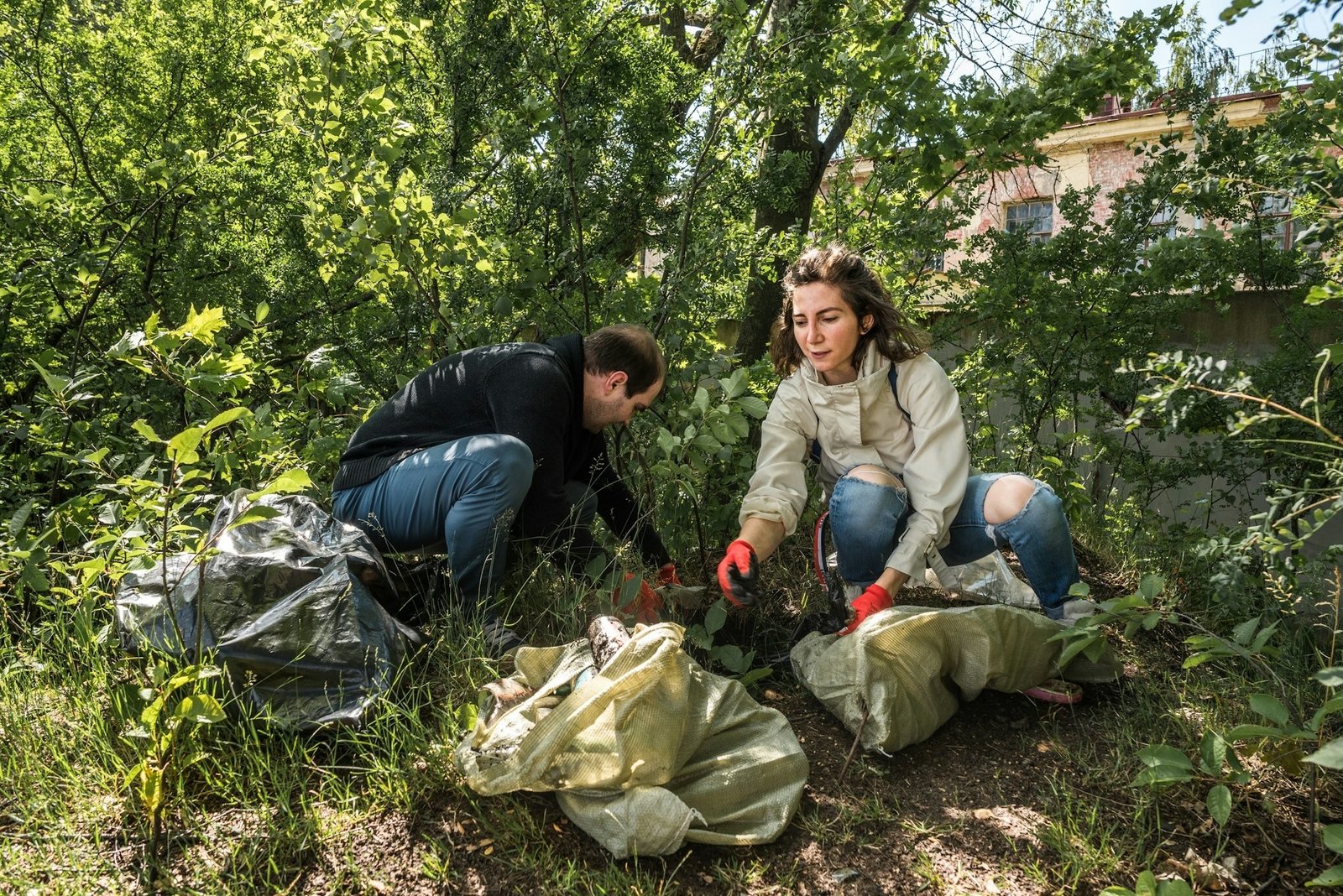
- Support local conservation and restoration. Volunteer with local groups, join clean-ups and respect protected areas when visiting.
- Visit responsibly. Stay on paths, keep your distance from nesting birds, take rubbish home and follow local guidance.
- Reduce pollution. Avoid pouring chemicals down drains, and reduce fertilizer and pesticide use, which can run off into waterways.
- Speak up in planning decisions. Ask how development affects wetlands and flood risk.
- Choose responsibly produced seafood and products. Look for sources that do not rely on clearing mangroves or wetlands.
Frequently asked questions
Can wetlands completely protect a coast from storms?
No. They can reduce wave energy and erosion, but extreme storms and surges can overwhelm them. They work best combined with other measures, such as planning, early warning systems and, where needed, engineered defenses.
Are mangroves only found in the tropics?
Yes, mangroves grow in warm tropical and subtropical regions. Cooler coasts have other protective wetlands such as salt marshes and estuaries.
What is blue carbon?
It is carbon stored in coastal and marine ecosystems such as mangroves, salt marshes and seagrass beds, mostly in their soils. Protecting these habitats keeps that carbon locked away.
Why were so many wetlands drained?
People often valued the land for farming, building or other uses and did not recognize wetlands’ benefits. Draining was also encouraged by past policies and by health concerns about insect-borne diseases.
Is restoring a wetland expensive?
Costs vary, but restoration is often cost-effective compared to building and maintaining hard defenses, especially when its additional benefits, such as fisheries and carbon storage, are taken into account.
Living defenses
Wetlands show that some of the best solutions are already built into the landscape. They absorb, slow and filter water, shelter wildlife and store carbon, all without electricity, fuel or maintenance crews. Valuing them means giving rivers room, protecting coastal forests and marshes and thinking twice before draining or filling land that appears to have no use. As our climate changes, the places we once overlooked may prove to be among our best allies.