

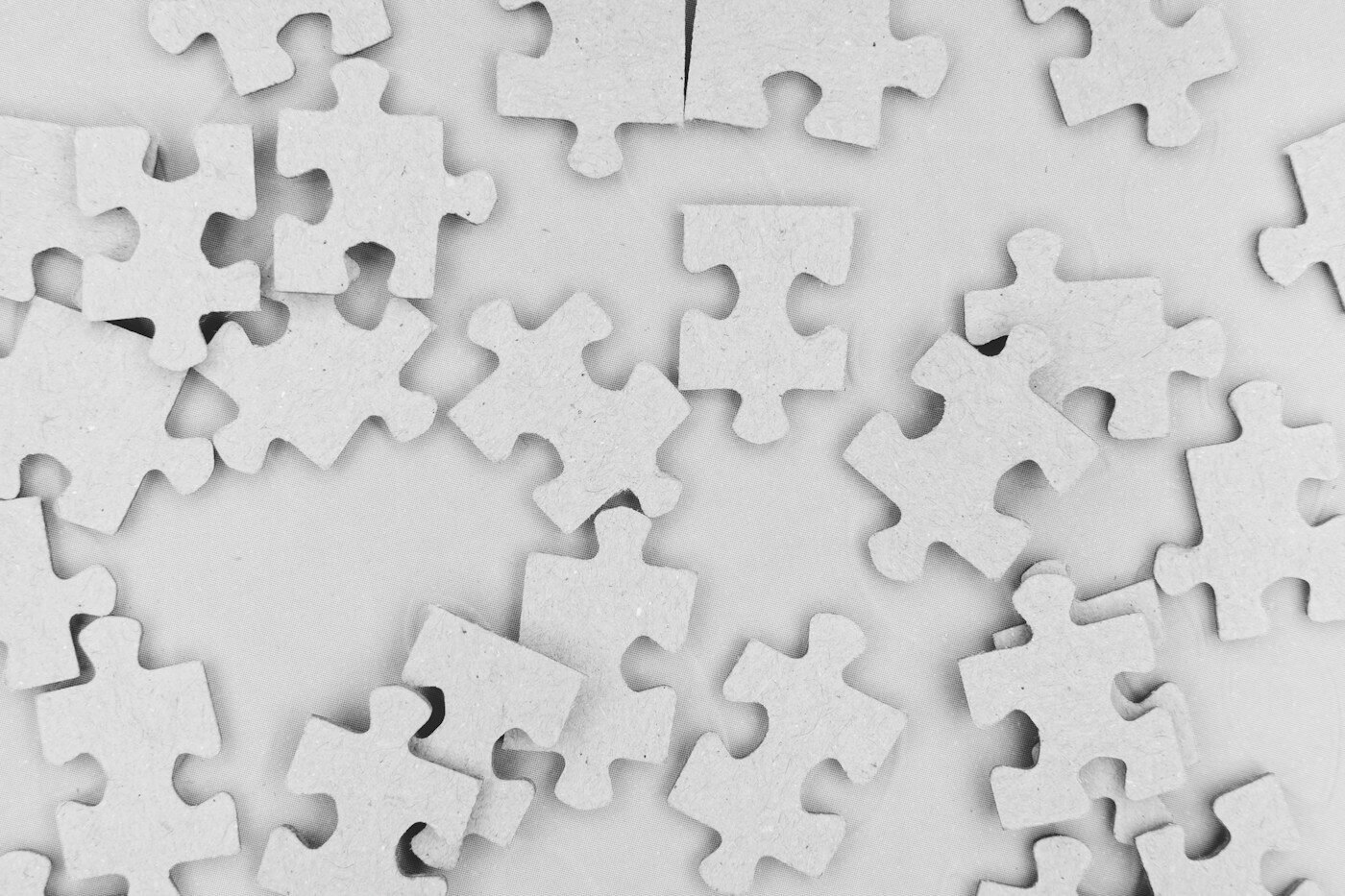
A jigsaw puzzle is a strange kind of entertainment. It has no score, no timer and no winner, just a few hundred small pieces, a table and an image slowly emerging from chaos. Yet people keep coming back to them, from children with their first twelve-piece picture to adults who leave a thousand-piece landscape on the dining table for weeks. In a world of constant notifications, a puzzle offers something rare: a gentle, absorbing task that rewards patience and invites company. Here is why it is worth a place in your leisure time, and how to start.
What puzzles give you
Focus without strain
Puzzling asks for attention, but in a relaxed way. You look, compare, try and adjust, and time passes. Many people describe it as a calming activity, similar to other absorbing hobbies, because it fills the mind with one simple problem and leaves little room for worry.
Small victories
Each fitted piece gives a tiny sense of achievement. Over a session, those small wins add up to real satisfaction, and finishing a puzzle brings a pleasant feeling of completion.
Mental exercise
Puzzles use visual perception, pattern recognition, memory and planning. Researchers have found that people who regularly engage in mentally stimulating activities tend to show better cognitive performance in later life, though it is difficult to prove that puzzles alone prevent decline. It is fair to say they are an enjoyable way to keep the mind active, not a medical treatment.
A reason to sit together
A puzzle left on a shared table invites passersby to add a piece. It becomes a quiet backdrop for conversation, with no pressure to talk and no screens required. Families, friends and neighbors often bond over a communal puzzle.
A break from screens
Puzzling gives your eyes and mind a different kind of attention, and many people find it helps them wind down in the evening.
Choose the right puzzle
Piece count
- 12 to 60 pieces: young children, with large, sturdy pieces.
- 100 to 300 pieces: older children and beginners, completed in an hour or two.
- 500 pieces: a comfortable standard for most adults, over a few sessions.
- 1,000 pieces or more: a longer project for experienced puzzlers, needing space and patience.
Image
Pick a picture you love, since you will study it for hours. Landscapes, maps, architecture, art, nature and patterns all work well. Images with clear sections and varied colors are easier, and those with large areas of sky, sea or similar patterns are harder. Beginners often prefer a lively, colorful scene.
Quality
Good puzzles have thick, firm pieces that fit snugly and a printed image that is clear and not glossy. Thin, loose pieces are frustrating. Used puzzles from friends, libraries and second-hand shops are a cheap way to try different ones, though check that the box contains every piece.
Set up your space
- A flat surface. A table that can stay undisturbed is ideal. A puzzle board or roll-up felt mat makes it possible to move or store the puzzle.
- Good light. Natural light or a bright lamp reduces eyestrain.
- Sorting trays. Small trays, boxes or lids keep pieces organized.
- A comfortable chair. You will sit longer than you expect.
- A safe spot. Keep it away from pets, small children and drafts if the puzzle will stay out for a while.
A simple strategy that works
- Turn all the pieces face up and remove them from the box.
- Find the edge pieces, the ones with a flat side, and set them aside.
- Build the frame. This gives you a boundary and a size.
- Sort the remaining pieces by color, pattern or feature, in trays or on the table.
- Work on one section at a time, such as a building, a patch of sky or a distinctive object, using the box picture for reference.
- Look at the shape, too. Notice the tabs and holes of each piece, not just the color.
- Connect the sections as they grow.
- Save the hardest area for last, such as plain sky or water. By then, there are fewer pieces to try.
When you are stuck
- Step away for a few minutes. A fresh look often reveals a match instantly.
- Re-sort the leftover pieces into different groups.
- Try fitting pieces by shape alone, ignoring the image.
- Ask someone else to look. A new pair of eyes spots what you missed.
- Stop for the day and return tomorrow. Many puzzles seem easier after rest.
Puzzles with children
Puzzles teach shapes, colors, patience and fine motor skills. Start with a few large pieces, and let the child take the lead. Praise effort, offer hints without taking over and celebrate completion. Choose images they love, and keep sessions short so enthusiasm stays high. Pieces are small, so choose appropriate sizes for young children and supervise those who still put things in their mouths.
Puzzles for older adults
Puzzles are an enjoyable activity for older people, and large-piece puzzles with high-contrast images suit those with limited vision or dexterity. Good lighting, comfortable seating and a stable board make the experience easier. Doing a puzzle together can be a lovely way for generations to spend time side by side.
What to do with a finished puzzle
- Enjoy it for a while, then break it up and put it back in the box.
- Swap puzzles with friends, family or neighbors, or donate them to libraries and community centers.
- Preserve a favorite with puzzle glue and mount it on a backing board to frame it, if you wish.
- Take a photo of the finished picture to remember it.
Other kinds of puzzles
If jigsaws become a favorite, explore related challenges: three-dimensional puzzles, wooden puzzles, double-sided puzzles, mazes, logic puzzles, crosswords and word searches. Each exercises the mind in a slightly different way.
Frequently asked questions
Is doing puzzles good for the brain?
They give your mind a pleasant workout, and staying mentally active is generally considered beneficial. Puzzles are not a guaranteed protection against memory problems, so talk to a doctor if you have concerns.
What size should I start with?
Five hundred pieces suit many adults, while a few hundred are a gentle introduction. Choose according to space, time and experience.
Do I need the picture on the box?
It helps enormously. Keep it visible, or take a photo to enlarge on a screen.
What if I lose a piece?
It happens. Check under furniture and in the box, or accept a small gap. Some manufacturers will send replacements.
One piece at a time
A jigsaw puzzle asks for very little: a table, some light and a bit of patience. In return, it gives calm, a sense of progress and a pleasant reason to sit together. Choose a picture you love, clear a corner of the table and see how it feels to slowly put the pieces in place.